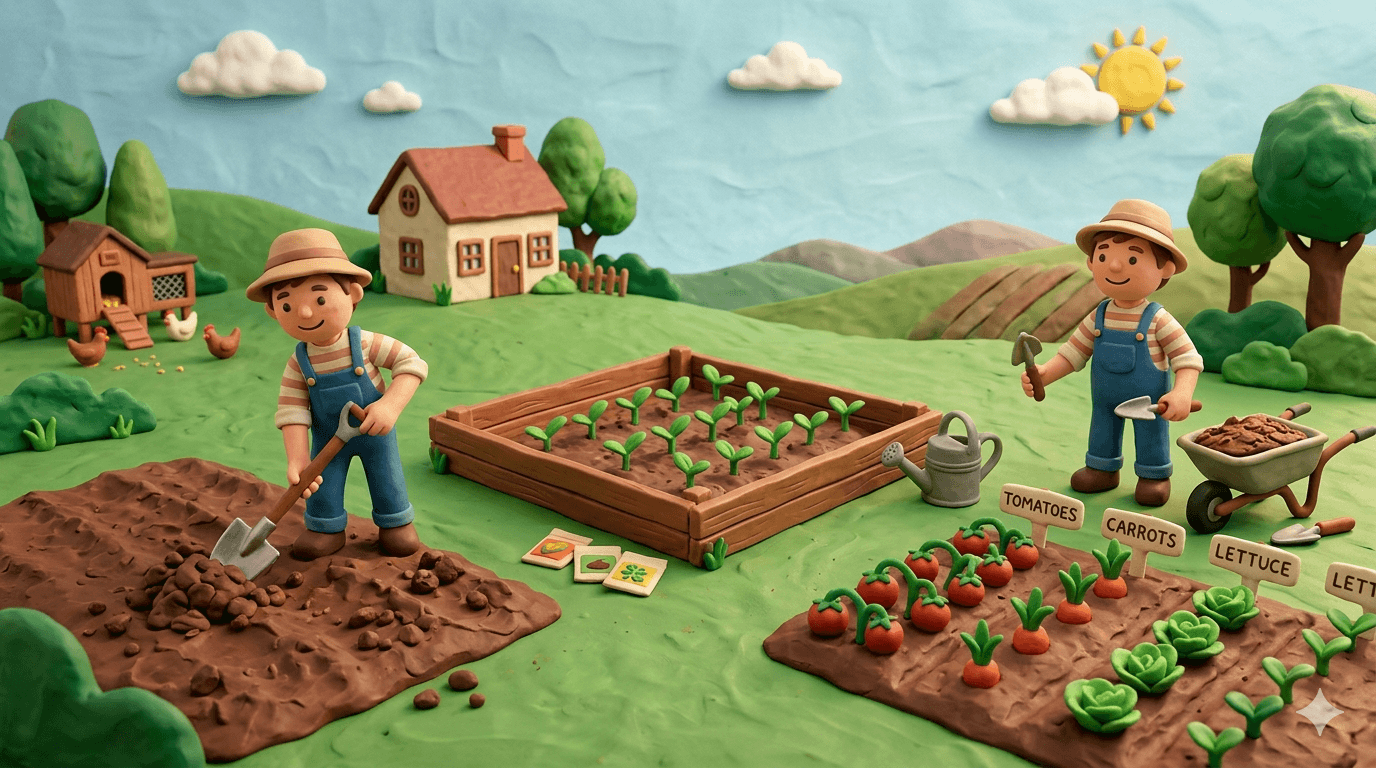
Starting a homestead garden from scratch is one of the most rewarding projects you can take on. You walk out the back door, look at a patch of grass, and decide you want real food growing there. By the end of this guide, you will know exactly how to make that happen.
A homestead garden is more than a couple of tomato plants in pots. It is a real piece of your food supply. Even a small one can fill a kitchen with vegetables, herbs, and fruit through most of the year. And the great thing is you do not need acreage, expensive tools, or a green thumb to start one.
This guide walks you through the whole process from bare ground to first harvest. We will cover how to read your land, how big to go in year one, how to prep your soil without breaking your back, what to plant, and how to keep it all growing once the season takes off. We will also look beyond year one so you know where this is heading.
If you have been waiting for the right time to start, this is it. Pick a sunny corner of your yard, grab a coffee, and let us walk through it.
Why Start a Homestead Garden Now
There is a long list of reasons to grow your own food, and every gardener leans on a few of them more than others.
You know what is in your food. No mystery sprays. No long supply chains. Just soil, water, and sunshine going into something you eat that night.
The taste is on another level. A vine ripened tomato in August does not even live in the same world as the cardboard ones from the grocery store. Same goes for sweet corn, strawberries, and fresh herbs. Once you grow them, you will struggle to go back.
It saves real money over time. A single zucchini plant can produce twenty pounds of squash. A bed of lettuce replaces months of bagged greens. The first season pays for itself, and every season after that is profit.
It teaches kids where food comes from. A child who has pulled a carrot from the dirt has a very different relationship with vegetables than one who has not. That alone is worth the project.
It builds the soil under your feet. A well tended garden makes the land healthier every year. You are not just growing food. You are building something that will keep producing for decades.
You do not need to commit to feeding a family entirely from the backyard. Even a single bed of vegetables changes the way you eat and the way you see your land.
Walk Your Land Before You Dig
Before you buy a single seed packet, walk your yard with fresh eyes. The location of your garden matters more than almost anything else you do.
Sunlight. This is the big one. Most vegetables want six to eight hours of direct sun a day. Tomatoes, peppers, squash, and beans are sun hungry. Spend a Saturday checking your yard at 8 a.m., noon, and 4 p.m. The spot that looks bright at breakfast might be in tree shade by lunch. Pick the sunniest patch you have.
Water access. Every step between your hose and your garden makes it more likely you skip watering on a busy night. Keep your beds within easy reach of a spigot. If the garden is more than fifty feet away, plan to run a longer hose or drip line up front so the chore stays simple.
Slope and drainage. A gentle slope is fine and can even help with drainage. A swampy low spot where water pools after rain is not. Roots rot in standing water faster than almost any pest can kill them. If your only flat area is wet, plan to garden in raised beds on top of it instead.
The soil clues. Look at what already grows in the spot. Lush grass and dandelions are a good sign. Pure moss, bare clay, or nothing but weeds usually mean the soil needs work or the spot is too shaded. Dig a small hole. If you hit rock or pure clay six inches down, expect to bring in soil.
Distance to your kitchen. The garden you walk past every day gets cared for. The garden tucked behind the shed gets forgotten in July. Put your beds where you will see them through a window or pass them on the way to the car.
Wind and weather. A spot exposed to constant wind dries out fast and stresses young plants. If your only sunny spot is windy, plan a simple windbreak with a fence panel, a row of sunflowers, or a short hedge.
Critter pressure. Walk the property line. Are there deer trails? Rabbit burrows? Stray dogs? Knowing what wildlife visits helps you plan fencing and protection from day one. A garden eaten in week three is a sad way to learn this lesson.
Take notes. The right spot might not be the most obvious one.
Decide How Big to Start
The single most common mistake new gardeners make is going too big in year one. Enthusiasm is high, the seed catalogs are exciting, and suddenly you have planted three hundred square feet of garden you cannot keep up with by July.
Start smaller than you think. You can always add more next year. A garden you can manage well will produce more food than a bigger garden you cannot keep up with.
| Household | First Year Size | What It Looks Like |
|---|---|---|
| One or two adults | 50 to 100 sq ft | A single 4 by 8 foot raised bed or a small patch of in ground beds |
| A family of four | 100 to 200 sq ft | Two raised beds plus a small herb section |
| A bigger family or serious cooks | 200 to 400 sq ft | Three or four beds with room for a few rows of corn or potatoes |
| Truly aiming for self sufficiency | 800+ sq ft | Plan to scale up over three to four seasons, not all at once |
Time is the constraint people forget. A productive garden needs roughly thirty minutes a day in the growing season. Some days more, some days less. If you can carve that out, you can grow real food. If you cannot, scale down until you can.
For most beginners, a single 4 by 8 foot bed is the perfect first year project. It is big enough to grow a steady supply of salads, herbs, and a few tomatoes. It is small enough to stay on top of without burning out.
Prepping Soil from Scratch
This is where the project gets real. You have a patch of grass and a vision. Now you need to turn that grass into a garden bed.
You have three honest choices, and each one fits a different situation.
Option 1: Raised beds on top of the grass
The simplest path for most beginners. Build or buy a wooden frame, set it on top of the lawn, and fill it with quality soil. The grass underneath dies on its own from lack of light. The roots of your vegetables grow down through the dead sod and into the native soil over time.
This method skips the hardest part of starting a garden, which is breaking sod. It also gives you instant control over your soil quality. The downside is the up front cost of soil to fill the bed.
For the full walkthrough on building beds and mixing soil, our raised bed gardening guide goes step by step.
Option 2: Sheet mulching, also called the lasagna method
Lay a thick layer of cardboard right on top of the grass. Wet it down. Pile six to eight inches of compost on top. That is your bed.
The cardboard smothers the grass. It breaks down over a few months. The worms move in. The compost feeds the soil and the soil feeds your plants. By the time you transplant, the grass below is gone and you have a rich, loose layer to plant into.
Sheet mulching is cheap, easy on your back, and builds incredible soil over time. The trade off is that it works best when you set it up in the fall for spring planting. If you sheet mulch in the spring and plant the same week, you can still get a decent first season, but the soil will improve each year as the layers below break down.
Option 3: Removing the sod
The traditional method. You strip off the top layer of grass with a shovel or a rented sod cutter, then loosen the soil underneath with a fork or a tiller.
This gets you in the ground fast, and once the sod is gone the bed is yours. The downside is the work. Stripping sod is a sweaty afternoon, and you end up with a stack of grass to compost or haul off. Tilling also chops up weed seeds and brings them to the surface, which means you will weed harder in year one than with the other two methods.
If you go this route, do not till deeper than six inches. Deep tilling damages the soil structure and the worms and fungi that make a healthy garden possible.
A simple test before you plant
If you have any doubt about your soil, get a basic soil test. Most county extension offices run them for around twenty dollars. They will tell you the pH, the major nutrients, and whether you need to add lime, sulfur, or anything else. It is the cheapest insurance you can buy in gardening.
Tip
Most beginner soils benefit from a simple top dress of compost no matter what method you choose. An inch or two of finished compost on the surface every spring feeds the soil biology and slowly improves drainage and structure over time.
Designing the Layout
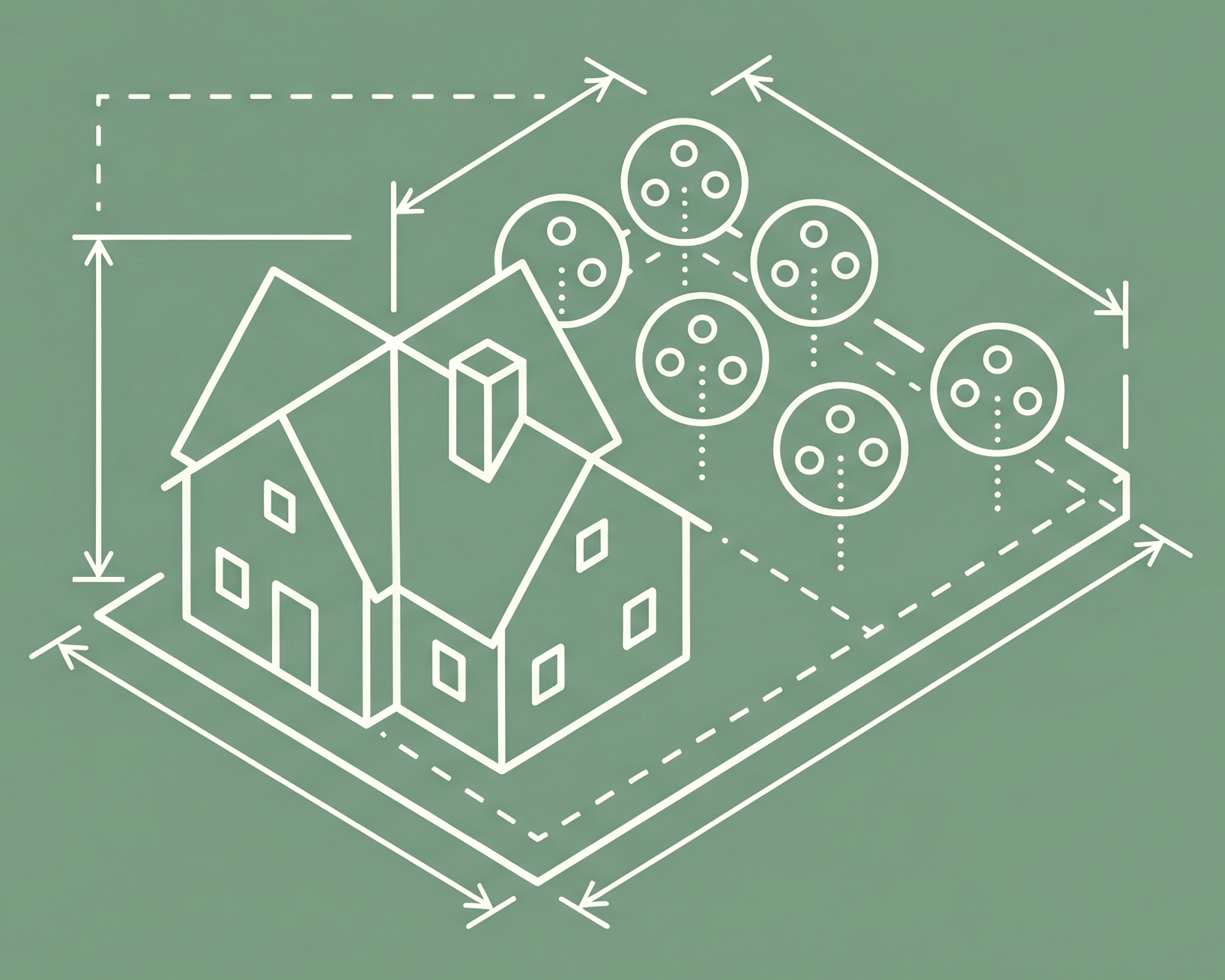
A good garden layout makes everything easier. Watering, weeding, harvesting, and even spotting pests all get faster when the beds are laid out with a little thought.
Run your beds north to south when you can. This way the sun moves across each bed evenly through the day. Tall plants on the north end shade the shorter plants less.
Keep beds four feet wide or less. You should be able to reach the middle from either side without stepping on the soil. Stepping on garden soil compacts it and undoes a lot of the work you did to make it loose and airy.
Leave wide paths. Two feet between beds is the bare minimum. Three feet is more comfortable, especially if you ever want to push a wheelbarrow through. Crowded paths make every chore harder.
Group plants by sun and water needs. Put the thirsty crops like tomatoes and squash together. Put the dry tolerant herbs like rosemary and thyme together. This makes watering a thinking exercise instead of a guessing game.
Plan for tall, medium, and short. Tomatoes and trellised cucumbers go on the north side of the bed so they do not shade everything else. Peppers, bush beans, and broccoli sit in the middle. Lettuce, radishes, and carrots take the front row.
Leave a corner for perennials. Things like asparagus, rhubarb, strawberries, and herbs like oregano and thyme come back every year. Put them somewhere they will not be disturbed by the seasonal tilling and replanting that annual vegetables need.
Save room to expand. Plan year one knowing you will probably want more space in year two. A simple sketch on paper now saves headaches later.
If you want to go deeper on which plants help each other thrive, check our vegetable gardening for beginners guide for plant by plant pairings.
Choosing What to Plant Your First Year
Picking what to plant is the fun part. The temptation is to grow one of everything. Resist it. A first year garden does best with a small list of forgiving, productive crops.
Here are eight crops that almost always work for beginners.
Tomatoes. The crown jewel of the home garden. Stick to one or two cherry tomato plants and a couple of standard slicers. Cherry varieties are nearly impossible to fail with and produce by the bucket.
Peppers. Sweet bells and easy hot peppers like jalapeños love the same conditions tomatoes do. Two or three plants will keep you in fresh peppers all summer.
Bush beans. Plant a row from seed once the soil is warm. They sprout in a week. They produce within sixty days. They keep producing as long as you keep picking.
Lettuce and salad greens. Direct sow these in early spring and again in fall. Cut a handful at a time and they keep growing. A small patch can supply all your salads for two months.
Zucchini and summer squash. One plant will feed a household. Two plants will feed the neighborhood. Plant one and brace for the harvest.
Cucumbers. Train them up a small trellis to save space. Pick them when they are still small and tender for the best flavor.
Herbs. Basil, parsley, dill, and cilantro all do well from seed. A pot of basil next to your tomatoes is one of the most rewarding combinations in a kitchen garden.
Radishes. Ready in three to four weeks. Great for kids. Great for filling in gaps between slower crops.
Cool season crops like lettuce, peas, broccoli, and spinach can go in the ground three to four weeks before your last frost date. Warm season crops like tomatoes, peppers, beans, and squash should wait until after the last frost has passed and the soil is at least sixty degrees.
The exact timing depends on your climate. A planting calendar takes the guesswork out of it.
Planting Calendar Tool
Enter your zip code to get a personalized planting schedule based on your USDA zone.
Try it free →Plant what you actually eat. That sounds obvious, and yet beginners plant kohlrabi and turnips because they look interesting in the catalog, then ignore them all summer. Grow the vegetables your family already loves and the harvest will get used.
Building Healthy Soil from Day One
A garden lives or dies on its soil. Healthy soil grows strong plants that resist pests, recover from drought, and produce more food year after year. Sick soil does the opposite.
The good news is soil heals fast when you treat it right.
Compost is the foundation. Every spring, spread an inch or two of finished compost on your beds. It feeds the microbes that feed your plants. It improves drainage in heavy soil and water retention in sandy soil. It is the single best amendment you can add to a garden.
If you are not making your own yet, our composting 101 guide walks you through every step from bin choice to finished black gold.
Mulch like you mean it. Two to three inches of straw, shredded leaves, or wood chips on top of your soil works hard for you. It holds moisture in. It blocks weeds. It moderates soil temperature. And it slowly breaks down to feed the soil. Apply it after planting and refresh it whenever it thins out.
Skip the rototiller after year one. Once your soil is established, leave it alone. Tilling every spring breaks up soil structure, kills earthworms, and brings dormant weed seeds to the surface. A simple top dress of compost replaces the need to till.
Plant cover crops in the fall. Crimson clover, winter rye, or buckwheat keep your soil covered through the off season. They prevent erosion, fix nitrogen, and add organic matter when you cut them down in spring. Even a single bed of cover crops makes a noticeable difference by year two.
The phrase "feed the soil, not the plant" is a homestead garden in one sentence. Take care of the soil and the plants will take care of themselves.
The Tools You Actually Need
You do not need a shed full of gear to start a garden. The list of truly useful tools is short.
- A round point shovel. For digging beds and turning soil.
- A garden fork. For loosening soil without flipping it.
- A hoe. A simple stirrup hoe handles weeds in seconds.
- A hand trowel. For transplanting seedlings and digging in tight spots.
- A pair of bypass pruners. For harvesting, deadheading, and tidying up.
- A hose with a wand or breaker attachment. Gentle enough not to wash out seedlings.
- A sturdy watering can. For seedlings, container plants, and quick spot watering.
- A wheelbarrow or garden cart. For hauling compost, mulch, and harvests.
Skip the gimmicks. You do not need a battery powered weeder, a soil moisture sensor, or any of the other tools the catalogs love to sell. A few well chosen, well maintained basics will outlast a shed full of plastic.
If you go bigger than a couple of beds, add a soaker hose with a battery powered timer. It is the single best upgrade you can make for the time and water it saves.
Watering, Mulch, and Weed Control
Once the garden is planted, your job is to keep it watered, mulched, and ahead of the weeds. Get those three things right and the garden mostly takes care of itself.
Water deeply, not often. A short daily sprinkle wets the surface and trains roots to stay shallow. Shallow roots dry out fast and stress easily. Instead, water once or twice a week and soak the soil at least four to six inches deep. In a heatwave you may need to water more often, but the deep watering rule still applies.
Water at the base of the plants, not over the leaves. Wet leaves at sundown invite fungal disease. Water in the early morning when you can. The soil drinks deep and the leaves dry off as the day warms up.
Mulch saves you hours. Two to three inches of straw, shredded leaves, or fine wood chips around your plants will cut your watering and weeding in half. Apply it as soon as the soil warms up in spring. Refresh it any time you can see bare dirt poking through.
Weed early and often. A five minute pass with a hoe once a week is easier than a four hour battle in July. Catch weeds when they are tiny. Slice them off at the soil line with a stirrup hoe before they ever set seed. The garden that gets weeded weekly stays clean. The garden that gets weeded once a month gets out of hand fast.
Note
A soaker hose laid through your beds and connected to a battery powered timer is the single biggest leap forward you can make as a gardener. Set it to run for thirty minutes at sunrise three times a week. Your plants get consistent moisture even when life gets busy, and consistent moisture is what separates a so so harvest from a great one.
Looking Beyond Year One
Year one is about learning. Year two is when the real homestead garden starts to take shape.
Add perennials. Asparagus, rhubarb, strawberries, raspberries, blueberries, and herbs like sage, thyme, oregano, and chives come back every year. They take a season or two to establish, and then they produce with almost no work. A row of asparagus planted in year one will feed you every spring for twenty years.
Plant a fruit tree or two. Apples, pears, peaches, and plums all do well in most of the country. A young tree planted now starts producing fruit in three to five years. The best time to plant a fruit tree was ten years ago. The second best time is this fall.
Bring in the chickens. A small flock of laying hens fits beautifully alongside a garden. They eat your kitchen scraps, turn them into eggs, and produce some of the best fertilizer on the planet. They also love garden pests like slugs, beetles, and grasshoppers. If you are not raising chickens yet, our raising chickens guide walks through the basics.
Expand bed by bed. Resist the urge to triple your garden in year two. Add one or two new beds. Get them dialed in. Then add a couple more the year after. Steady growth beats burnout every time.
Start saving seeds. Once you have a tomato variety or a bean you love, save seeds at the end of the season. It is free, it is easy with most vegetables, and the seeds you save adapt to your soil and climate over time.
The homestead garden is a long project. The first year is the hardest. Every year after that gets easier as the soil improves, the perennials mature, and your habits settle in.
Common First Year Mistakes
Every gardener has made some of these. Knowing them ahead of time saves a frustrating season.
Planting too much. A 4 by 8 foot bed crammed with thirty plants will outproduce a bigger bed crammed with sixty. Give every plant the space it needs and the harvest goes up.
Planting too early. Tomatoes set out in cold soil sit there sulking for weeks. Wait until nighttime temperatures are reliably above fifty degrees. The plants you put in two weeks later will catch up and pass the early ones.
Ignoring sunlight. A garden in partial shade will struggle no matter how much you fertilize or water. Sun is the one variable you cannot fake. Pick the sunniest spot you have.
Skipping mulch. A mulched garden is a relaxed garden. A bare soil garden is a constant battle with weeds, drying soil, and stressed plants.
Buying the cheapest soil. The bagged dirt at the discount store is usually mostly bark fines and filler. Spend a little more on quality soil and quality compost. Your plants eat what you put in the bed.
Planting what you do not eat. Grow the vegetables your family already loves. The kohlrabi and exotic radishes can wait until year three.
Letting weeds win. Five minutes a week of weeding beats five hours a month every time. Stay on top of them while they are small.
Going too big. This one is so important it gets two mentions. Start small. Add later. The smallest garden you actually maintain will feed you better than the biggest garden you walk away from.
Your First Year Timeline
Here is a simple month by month outline of what a typical first year homestead garden looks like. Adjust the months for your climate.
Late winter (January and February). Plan the garden. Sketch a layout. Order seeds. If you are starting tomatoes and peppers from seed, set up grow lights in February.
Early spring (March). Prep your beds. If you are sheet mulching, lay cardboard and compost now. If you are building raised beds, this is the weekend. Get your soil delivered or your bags stacked.
Mid spring (April). Plant cool season crops as soon as the soil is workable. Lettuce, spinach, peas, radishes, and broccoli all go in three to four weeks before your last frost date. Top dress everything with compost.
Late spring (May). After the last frost has passed, transplant tomatoes, peppers, and squash. Direct seed beans, cucumbers, and zucchini. Mulch the whole garden once the soil has warmed.
Summer (June, July, August). Water deeply. Weed weekly. Stake tomatoes. Harvest constantly. Watch for pests. This is also when you will eat better than at any other time of year.
Early fall (September). Plant a second round of cool crops for fall harvest. Lettuce, spinach, kale, and radishes all do beautifully in the cool weather of September and October. Start saving seeds from your best tomatoes and beans.
Late fall (October and November). Pull spent plants. Plant garlic for next year. Sow a cover crop on any bare beds. Add a thick layer of mulch over everything to protect the soil through winter.
Winter (December). Rest. Read seed catalogs. Plan year two. Order new seeds early.
That cycle, repeated and refined, becomes your homestead garden.
Where to Go from Here
You have the full picture now. Pick your spot. Decide on a method. Build or sheet mulch your first bed. Order seeds. Start small.
For the deeper how to on each piece, three other guides on this site go further than this one can.
- Raised bed gardening walks through frame building, soil mixing, and bed by bed planning.
- Vegetable gardening for beginners covers crop by crop details, seed starting, and harvesting.
- Composting 101 shows you how to turn kitchen scraps and yard waste into the best soil amendment money cannot buy.
When you are ready for personalized planting dates, the planting calendar gives you a custom schedule based on your zip code.
And if a homestead garden is just one piece of a bigger plan, our homesteading for beginners guide ties everything together.
Your first homestead garden is waiting. Walk outside, find your sunniest spot, and start there. By this time next year you will be eating food you grew, your soil will be richer than it has been in decades, and the project that felt overwhelming today will feel like home.
Frequently Asked Questions
Pick the sunniest spot in your yard. Build a single 4 by 8 foot raised bed or sheet mulch a small patch with cardboard and compost. Fill the bed with quality soil. Plant five or six forgiving crops like cherry tomatoes, lettuce, bush beans, zucchini, and basil. Mulch heavily, water deeply, and weed weekly. You do not need experience. You need a sunny spot and a willingness to start small.
A first year garden of one 4 by 8 foot raised bed costs roughly one hundred fifty to three hundred dollars all in. That covers the lumber for the frame, the soil to fill it, seeds, transplants, mulch, and basic tools. Sheet mulching directly on grass cuts the cost roughly in half because you skip the frame and most of the soil. Either way, the first season pays for itself in produce.
Most beginners do best with around fifty to one hundred square feet in year one. That is one or two raised beds or a single in ground patch. A garden that size grows a steady supply of salads, herbs, and a few productive vegetables without becoming a part time job. You can always expand in year two once your habits and your soil are established.
A reliable raised bed mix is roughly one third screened topsoil, one third quality compost, and one third aeration material like perlite or pine bark fines. For in ground beds, top dress the existing soil with two to four inches of compost and work it lightly into the top few inches. Avoid filling beds with pure compost, which holds too much moisture and shrinks as it decomposes.
The best two times are early spring and early fall. Spring lets you plant cool crops first and warm crops after the last frost. Fall is ideal for sheet mulching, building beds, and planting garlic so the bed is ready to go in spring. If you are starting in midsummer, focus on heat tolerant crops and plan a fall planting to get going for real.
Raised beds are easier for most beginners. You skip the hardest part of starting a garden, which is breaking sod. You also get instant control over soil quality. The trade off is the up front cost of soil. Tilling works fine if your existing soil is decent and you want to garden a larger area, but it is more labor and the first year often comes with heavy weed pressure as buried seeds reach the surface.
Stick with forgiving, productive crops. Cherry tomatoes, peppers, bush beans, lettuce, zucchini, cucumbers, basil, and radishes are nearly foolproof. Plant cool season crops like lettuce three to four weeks before your last frost. Plant warm season crops like tomatoes after the last frost has passed and the soil is at least sixty degrees. Avoid finicky vegetables like cauliflower or melons in year one.
Faster than you think. Radishes are ready in three to four weeks. Lettuce in four to six weeks. Bush beans in sixty days. Tomatoes and peppers start producing roughly seventy to ninety days after transplanting. By the second month of the season you will be eating something from the garden. By month three you will be giving zucchini away.

Cole
Founder & Lead Researcher
Cole is the founder of Plan Your Homestead. He works in clinical research and brings a research-first lens to every guide on the site, drawing on a long family line of farmers for grounded, practical perspective.
More in Gardening
More articles coming soon. Check back for new gardening content.