What This Livestock Quiz Actually Does
Every animal you can keep on a homestead has its own profile. Chickens want a small coop and thirty minutes a day. Cattle want fences, water, and acreage. Goats want company and a fence you would not believe. The trick is matching the animal to the actual life you live, not the life you wish you lived on weekends.
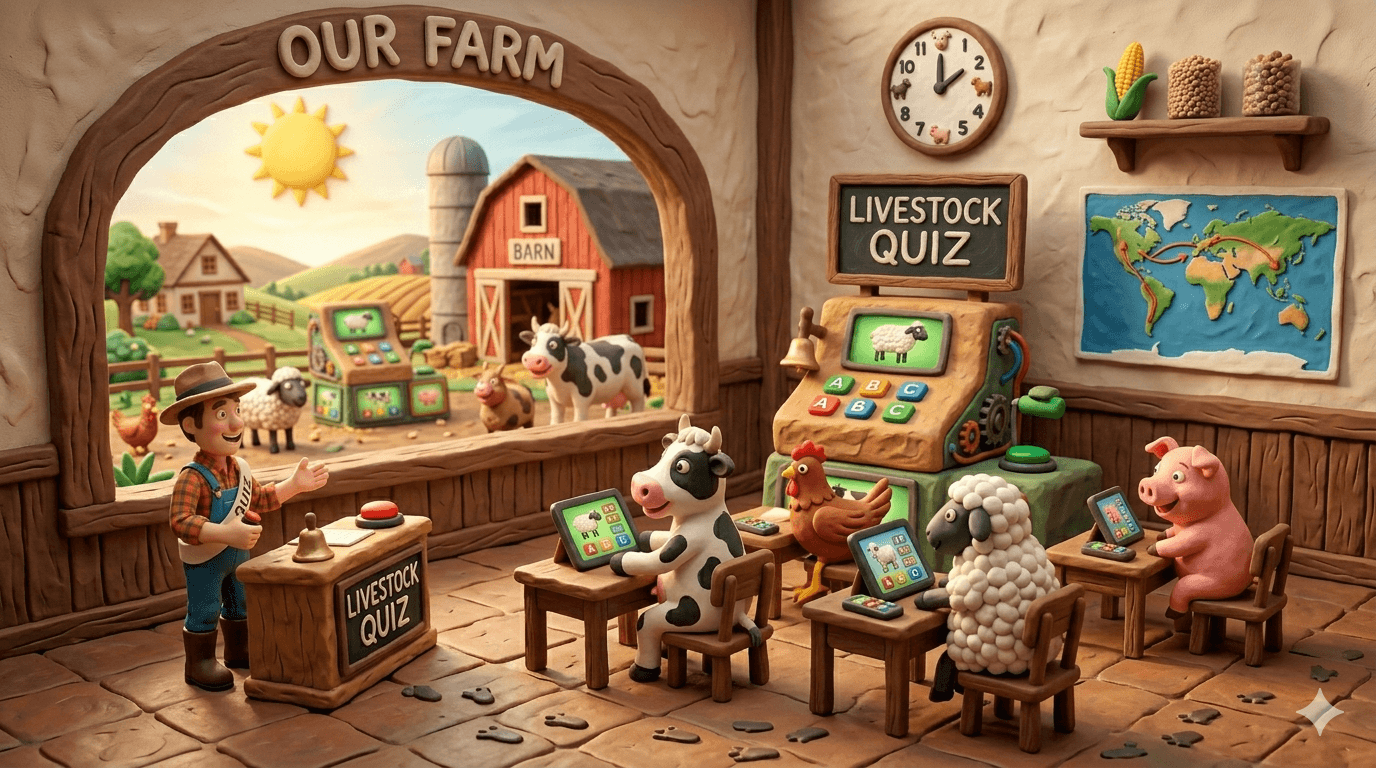
The quiz above asks ten quick questions that map to the ten factors that decide whether an animal will thrive on your property. Land size. Daily time. Primary goal. Experience. Budget. Noise tolerance. Feeding plan. Who handles the animals. Fencing. And how long you want to commit. Each answer either adds points to the animals that fit, or rules out the ones that do not.
At the end you see your top three matches with a short description and a link to a full guide. You can retake the quiz with different answers any time you want to compare. The tool is free, no email required, and you can run it on your phone in the feed aisle.
How to Use the Quiz Above
The whole quiz takes about a minute. Here is the full path.
Step 1. Answer honestly. The quiz only works if you tell it what is true today, not what could be true in a year. If you have a quarter acre, pick a quarter acre. If you have thirty minutes a day, pick thirty minutes. Do not pad the numbers.
Step 2. Pick the lower tier when you are unsure. Animals are easier to add later than to apologize to. If your land is right between tiers, pick the smaller one. If your time feels stretched, pick the shorter window.
Step 3. Treat the three results as a shortlist. The quiz is a filter, not a verdict. Your top three are the animals most likely to fit. Read about all three before you commit.
Step 4. Click into each animal guide. Every result links to a full guide with breeds, housing, feed, and startup numbers. That is where you decide which one actually wins.
Step 5. Retake the quiz to compare. Curious what changes if you have an extra acre or more time on weekends? Run it again with different answers. Saved answers are a great planning tool for the homestead you are working toward.
Match Your Homestead Goals to the Right Animals
Goals are the strongest signal in the quiz. Everything else trims the list, but the goal sets the direction. Here is how the four most common goals map to specific animals.
Best animals for fresh eggs
Chickens are the default for a reason. A small flock of five or six hens gives you four to six eggs a day in peak season and asks for very little in return. Ducks lay slightly fewer but richer eggs and do better in wet climates. Quail need almost no space at all, mature in eight weeks, and produce the tiny gourmet eggs that fancy restaurants love.
Best animals for filling the freezer with meat
Rabbits are the highest meat to space ratio on any homestead. A trio of does and one buck can produce hundreds of pounds of meat in a year from a cage system that fits in a shed. Pigs grow fast and turn kitchen scraps into bacon, which is hard to beat for return on investment. Cattle deliver the biggest single freezer fill of any animal, but they need real acreage and patient timing.
Best animals for milk and dairy
Goats are the small homestead dairy answer. A pair of dairy goats can produce a gallon or more of milk per day at peak lactation, and they fit in a fraction of the land a cow needs. A family cow gives you four to six gallons a day, which is far more than most families can drink fresh, but the surplus turns into butter, cheese, and yogurt. Hair sheep and a few dairy sheep breeds round out the dairy options for the patient.
Best animals for clearing brush and weeds
Goats are the only animal that prefers brambles and tree saplings to grass. Put a small herd on an overgrown half acre and you can watch it turn back to open ground in a season. Pigs work the soil itself, rooting up tough sod and unwanted roots and leaving turned earth behind them. Sheep mow grass into a lawn the way nothing on wheels can manage.
The Eight Homestead Animals Compared
The quiz draws from these eight species. Here is what to expect from each one so you can read your results with more context.
Chickens
Chickens are the universal starter livestock. A flock of five or six hens fits under a quarter acre, costs a few hundred dollars to set up, and runs on about twenty minutes of daily chores. You get fresh eggs almost year round, manure for the garden, and a daily routine that quietly teaches you what every other animal will demand. The gotcha is predators. Raccoons, hawks, and stray dogs all want your birds, so plan for solid housing and a covered run before you bring any chicks home. Read our chickens guide for breed picks and coop sizing.
Quail
Quail are the secret weapon of small space homesteaders. A few stacked cages on a back porch can house twenty birds. They mature in eight weeks and lay daily once they start. The eggs are tiny, but five quail eggs equal one chicken egg, and the meat birds finish so fast you can run several batches a year. They are quiet, legal in most cities that ban chickens, and almost invisible to neighbors. Read our quail guide for cage setups.
Rabbits
Rabbits sit quietly in the corner of the homestead and out produce nearly everything else. A breeding trio in a cage system can yield hundreds of pounds of lean white meat per year, plus garden gold manure that you can apply straight to beds without composting. They are silent, take no zoning fight, and ask for water and pellets twice a day. The honest hard part is processing. If you can learn the simple work of butchering a rabbit, you have the most efficient meat machine on the property. Read our rabbits guide for breed and cage tips.
Ducks
Ducks are chickens for people who like puddles. They lay rich large eggs that bakers will fight you for, eat slugs and snails out of the garden like nothing else, and shrug off cold and rain that chickens hate. They do need a small pool or pond to be truly happy, and they make a delightful mess of any waterer you give them. Once you accept that they are part farm tool and part swamp resident, they are wonderful. Read our ducks guide for breed comparisons.
Goats
Goats give you milk, brush control, weed clearing, and constant entertainment for a one or two acre commitment. Dairy breeds like Nigerian Dwarf and Nubian fit smaller properties and produce milk that tastes nothing like the stuff in the store. The catch is fencing. The old joke says if a fence cannot hold water it cannot hold a goat. Plan on woven wire or electric, and never on a single goat alone. Goats need a herd or they grieve. Read our goats guide for breed, fencing, and milking advice.
Sheep
Sheep are the calm middle ground between chickens and cattle. Hair breeds like Katahdin shed their own coats and skip the shearing entirely, which is a huge win for new keepers. They keep pasture grazed evenly, give you lean lamb, and rarely test fences the way goats do. They want a flock of at least three, and they need protection from neighborhood dogs more than they need it from coyotes. Read our sheep guide for hair versus wool breed picks.
Pigs
Pigs are a fixed term commitment unlike anything else. You buy weaners in spring, feed them through summer, and have a freezer full of pork by fall. The whole cycle wraps in six to eight months. They will eat almost any kitchen scrap, root pasture into a tilled field, and reward you with bacon, sausage, and ham. The honest cost is the smell and the fencing. Pigs push through any halfhearted line. Plan on heavy gauge wire or electric. Read our pigs guide for breed picks and feeding plans.
Cattle
Cattle are the keystone animal of a large homestead. A single beef steer can fill a chest freezer for a family of four for a full year. A family milk cow puts gallons of raw milk on the counter every morning. The price of admission is real. You need five acres at minimum for a single cow on good pasture, sturdy fences, a way to handle a thousand pound animal safely, and a vet you can call. For the right property, nothing returns more food per hour of work. Read our cattle guide for beef versus dairy comparisons.
Space, Time, and Budget Tradeoffs
The quiz uses three tiers each for space, time, and budget. Here is what those tiers mean in practice and which animals each tier unlocks.
Space
Under a quarter acre opens the door to chickens, quail, and rabbits. Those three thrive in suburban backyards or even on a generous balcony in the case of quail. One to five acres adds ducks, goats, sheep, and a small pig setup to the menu. More than five acres is the threshold where cattle become reasonable and where you can run a serious mixed operation across species.
Time
Under thirty minutes a day is plenty for quail, rabbits, or a small chicken flock. About an hour gets you chickens plus ducks or a couple of goats. Several hours a day is what cattle, pigs, and a mixed herd of small ruminants actually need, especially during milking, kidding, or finishing season. Be honest with yourself about your average Tuesday, not your best Saturday.
Budget
A tight budget points to quail, rabbits, or chickens, which can all be set up for a few hundred dollars in housing and stock. A moderate budget covers ducks, sheep, or a starter goat herd, which run a few thousand once you add fencing and a shelter. Cattle and pigs need real investment in fencing, working facilities, and feed before the first animal arrives. Run a full cost preview through our Homestead Budget Calculator before you commit.
The Six Most Common Mistakes When Choosing Homestead Animals
Most of the regret stories you hear about livestock trace back to one of these six choices. They are easy to avoid once you know the pattern.
1. Starting too big. Two chickens turn into twenty before anyone notices. A single goat invites a herd. Build slowly. Add the second species only after the first has run a full year without surprises.
2. Skipping the zoning check. Many neighborhoods allow hens but ban roosters. Some allow rabbits but not goats. Read your local ordinances and your HOA bylaws before you build anything permanent. A coop on wheels saves you when the rules change.
3. Underestimating fencing. Goats, pigs, and cattle all destroy weak fencing. Budget for the right fence on day one. A torn down field fence costs more in escapes than the upgrade would have cost in money.
4. Picking dairy as a first animal. Milk animals lock you to a twelve hour milking schedule with no skipped days. Many keepers learn this the hard way. Start with eggs or meat, learn the routine of chores, and add dairy only when you know the rhythm.
5. Forgetting the feed bill. The animal is the cheap part. Feed costs roll forward forever. Calculate the monthly bill before you buy the first chick or kid. Our Feed Cost Calculator gives you a clear monthly and yearly number.
6. No plan for vacations or sick days. Animals do not pause for the flu or for a wedding out of state. Line up a neighbor, a teen, or a paid sitter before you commit. The peace of mind is worth more than the saved cash.
How Your Animal Choice Shapes the Rest of Your Homestead
Once you pick a species the rest of the homestead arranges itself around it. Chickens mean you should read our Chicken Breed Picker to choose the right twenty five breeds for your climate and goals.
Any animal at all means you should know the monthly feed bill before you commit. Run a quick estimate through our Feed Cost Calculator and the daily pounds through our Feed Requirements Calculator so nothing surprises you in the first month.
Most homesteads also keep a garden alongside the animals. The two systems feed each other in real ways. Chicken manure builds the compost pile. Goat browsing clears land you can later plant. A planting plan that ties the two together starts with our Homestead Planting Calendar, which lines up seed starting and harvest dates with the animal year.
Frequently Asked Questions
What is the easiest animal for a homestead beginner?
How much land do I really need for livestock?
Can I keep livestock in a suburban backyard?
Which homestead animal makes the most money?
How much time per day do livestock require?
Should I start with one species or several at once?
What animals can I keep without permanent fencing?
How do I take vacations once I have livestock?
Written by Cole. Last updated May 2026.