So you are thinking about goats. Good call. They are one of the most rewarding animals you can add to a homestead.
Goats give you milk. They give you meat. They clear brush. They make compost. They turn weedy corners of your land into clean pasture. And once you know what you are doing, they are about as hard to keep as a couple of medium sized dogs that pay rent in cheese.
The catch is that goats reward planning more than almost any other livestock. They get out of weak fences. They get sick when minerals are wrong. They get lonely when kept alone. They get loud, fast, when their needs are not met. Most beginner heartbreak with goats comes from skipping the planning step, not from the goats themselves.
This guide walks you through the whole picture. Why goats fit a homestead, what breed to pick, how much land you need, what to build, how to feed them, what they cost, and the mistakes that quietly cost new owners the most. By the end you will have a real plan you can act on this season.
If you are still mapping the bigger homestead picture, our homesteading for beginners pillar guide covers how livestock fits alongside gardens, food preservation, and the rest of homestead life. This article is your deep dive on the goats.
Why Goats Are a Smart First Livestock Choice
Goats sit in a sweet spot that almost no other animal can match.
They are big enough to give real food. A single doe in milk produces hundreds of gallons of milk over her career. A weaned meat kid fills a freezer with twenty five to forty pounds of clean, lean protein. That is not a hobby. That is groceries.
They are also small enough to handle alone. You can wrestle a misbehaving goat into a corner by yourself if you have to. You cannot do that with a cow. You can move a 100 pound goat in the back of a station wagon. You cannot do that with a heifer. The whole scale of goat keeping fits a normal human body and a normal homestead budget.
Goats use land that other livestock waste. They love brush, briars, multi flora rose, kudzu, poison ivy, and saplings. A few goats can clear an overgrown half acre in a single summer. That same land would defeat a mower and bore a cow. Goat manure rebuilds the soil while they work.
Goats are also genuinely fun. They are curious, social, and bond with people. The morning routine of feeding a small herd and gathering milk becomes a part of homestead life you actually look forward to. They are not stoic livestock. They are little personalities with hooves.
Finally, the start up cost is reasonable. A working setup for two does runs in the low thousands. A cow setup runs in the high thousands before you even bring her home. For most beginning homesteaders, that gap is the difference between starting this year and starting in five years.
Before You Bring Goats Home, Check the Rules
The first step is not the shelter. It is the paperwork. Spend a couple of hours on this and you will save yourself a world of grief later.
There are three layers of rules worth checking.
Local zoning and city ordinances. Many cities allow miniature breeds while banning standard size goats. Some allow two does but no bucks. Setbacks usually require the shelter to sit a minimum distance from your property line. Your city or county zoning office will answer all of this in a short phone call.
HOA and deed restrictions. If you live in a planned community, your HOA can ban goats even when the city allows them. Pull your covenants and read them yourself. Do not assume.
State livestock and dairy rules. These usually only matter if you plan to sell milk, sell breeding stock, or keep a large herd. Most states allow you to drink your own raw milk without any permit. Selling raw milk is heavily regulated in most states, so check before you assume you have a side business.
If you are renting, talk to your landlord first and get written permission. Be honest. Most reasonable landlords will agree if you show them a plan, especially for two well kept does.
Tip
Before you commit, walk your property line and think about your neighbors. Where will the shelter sit? Will the goats be visible from a neighbor's window? A short, friendly heads up to the people on either side of you goes a long way. A few jars of fresh chevre at Christmas does the rest.
If goats are not legal where you live, you have options. You can advocate for an ordinance change. Many cities have updated their rules in the last decade after residents asked. Or you can shelve the goat plan, focus on chickens or a garden this season, and revisit goats when your situation changes.
How Many Goats Do You Need?
The honest answer surprises most beginners. The minimum is two. The maximum is whatever your land, your time, and your sanity can handle.
There is one rule above all others. Never buy a single goat.
Goats are herd animals at a genetic level. A solo goat is a stressed goat. Stressed goats scream at night, escape constantly, refuse food, and get sick faster than herd goats. Many veteran goat owners refuse to sell a single goat at any price because they know how it ends.
Two does is the standard beginner pair. Two wethers, which are castrated males, work perfectly as low cost companions if you only want one milker. A doe and a wether is also fine. Two unrelated bucks should not share a pen with does present, so most beginners avoid bucks entirely for the first year.
A few more rules of thumb to settle on a number.
Start with two or three goats for your first herd. Three is a more forgiving number. Two goats means losing one leaves a single grieving goat. Three means a survivor still has a buddy.
Think about your space first, your goals second. A quarter acre supports two miniature does comfortably. A half acre handles three or four. Standard size dairy goats want closer to a half acre per head if pasture is the main feed.
Match your milk needs to your herd. A productive doe in milk gives one to two quarts a day if she is a miniature breed, or six to ten pounds if she is a standard breed. For a small family, one milker in production is usually plenty. Two staggered milkers give you year round supply.
Plan for the kids. A breeding doe produces two or three kids every year. Half of those will be buck kids. You need a plan for those kids before you breed.
Picking the Right Goat Breed for Your Homestead
There are dozens of goat breeds and you do not need to know them all. You only need to know which group fits your goals.
Before you fall for a cute photo, answer three questions for yourself.
What do you want from the herd? Milk, meat, fiber, brush clearing, or companionship?
What is your climate? Hot southern summers favor different breeds than long Vermont winters.
How much space do you have? Standard size goats want more land and a bigger shelter than miniature breeds.
With those answers in hand, breed selection gets a lot simpler. Here are the categories that matter for new homesteaders.
Best Dairy Goat Breeds for Beginners
Nigerian Dwarf. A miniature dairy goat that gives one to two quarts a day at 6 to 10 percent butterfat. Friendly, gentle, and easy to handle. The most popular dairy goat for small homesteads and the breed we recommend to almost every new owner. Full deep dive is in our Nigerian Dwarf goat guide.
Nubian. A standard size dairy goat with long floppy ears and a Roman nose. Gives a gallon or more a day at 4 to 5 percent butterfat. The richest milk of the standard breeds, and the milk most often used for cheese and ice cream. Loud. If you have close neighbors, you will hear about it.
LaMancha. Famous for nearly invisible ears. Calm, quiet, and an excellent family goat. Produces about three quarters of a gallon a day at 4 percent butterfat. Heat tolerant and great in southern climates.
Alpine. Tall, athletic, and a high volume producer. A gallon to a gallon and a half a day at 3 to 4 percent butterfat. Cold hardy and a great choice for serious milk production in northern climates.
Saanen. The Holstein of the goat world. Big, white, calm, and a champion producer. A gallon and a half to two gallons a day at 3 to 4 percent butterfat. Lower butterfat means thinner cheese yields, but the sheer milk volume more than makes up for it.
Toggenburg, Oberhasli, and Sable. All solid standard size dairy options if you can find them locally. Production sits between LaMancha and Alpine.
For most new homesteaders, Nigerian Dwarfs are the easiest entry point. They fit smaller properties, eat less, and give plenty of milk for a family of four.
Best Meat Goat Breeds
Boer. The flagship meat breed. Big, muscular, and famous for their growth rate. A weaned Boer cross kid reaches butcher weight at six to eight months. Heat tolerant and gentle. The breed most often crossed with dairy does to produce homestead meat kids.
Kiko. A New Zealand breed bred for parasite resistance and pasture toughness. Slightly leaner than Boer but far easier to keep on rough land. An excellent choice if your pasture is brushy or your soil grows worms easily.
Spanish. The original American brush goat. Hardy, parasite resistant, and excellent on rough pasture. Slower growing than Boer but cheaper to keep.
Myotonic, also called Tennessee Fainting Goats. Smaller meat goats famous for their tendency to stiffen up when startled. Calm, easy to fence, and tasty. A fun choice for small properties.
Many homesteaders breed a dairy doe to a Boer buck. The result is a doe that gives you milk plus two or three muscled meat kids every year. That cross combines the best of both worlds on a small property.
Fiber and Brush Goats
Angora. The classic mohair producer. Stunning curly fleece. Requires shearing twice a year and is more delicate than dairy or meat breeds. A niche choice for fiber artists.
Pygora. A cross between Pygmy and Angora. Small, friendly, and produces a beautiful fiber on a smaller body. A fun homestead fiber breed.
Cashmere. Not a single breed but a type. Many goats produce cashmere undercoat that can be combed out in spring. If fiber is a secondary goal, you can buy cashmere genetics from breeders.
Spanish brush goats. Cheap, hardy, and very effective at clearing overgrown land. Many landowners run a small herd of Spanish goats for two or three years specifically to clean up a property.
Pet and Companion Goats
Pygmy. A miniature meat breed often kept as a pet. Stout, friendly, and not a serious milker. A fine companion for a single dairy doe or a child's first goat.
Wethers of any breed. A wether is a castrated buck. They are the cheapest goats in the world to own. No breeding cycle. No milk. No buck musk. Just calm, friendly companion animals that cost almost nothing to feed. Many beginner herds include one or two wethers as cheap companions.
Tip
If you are still on the fence about breed, take our livestock quiz to see which animals fit your goals and property best. Most new owners get pulled toward goats for the same handful of reasons, and the quiz helps you confirm before you commit.
How Much Land and Space Goats Need
The space question is the one that surprises most suburban homesteaders. You need less than you think.
A miniature breed like a Nigerian Dwarf is happy with about 100 to 150 square feet of dry lot per goat, plus 15 to 20 square feet of indoor shelter. Two does fit comfortably on a quarter acre. Three or four work fine on a half acre with rotational grazing.
A standard size dairy or meat goat wants more. Plan on 200 to 250 square feet of dry lot per goat, plus 25 to 30 square feet of shelter space. A pair of Alpines or Nubians wants at least a half acre to be comfortable, and they thrive with more.
If you plan to actually pasture your goats rather than dry lot them, the rule of thumb is one acre of decent pasture per two standard goats, or one acre per four miniatures. Pasture rotation, where you split the field into paddocks and move the herd every week or two, doubles or triples that capacity by giving grass time to recover.
Brush land gives you a different math. A small herd of three or four goats clears a half acre of briars and saplings in a single growing season. If your land is overgrown, goats are doing free work the whole time you feed them.
The smaller your space, the more careful you have to be about minerals, parasites, and rotation. Goats kept on bare dry lot need every nutrient delivered through hay and supplements. Goats on pasture get more of what they need from the land itself.
Housing and Shelter Basics
Goat shelters do not need to be fancy. They need to be dry, draft free, and predator secure. Anything beyond that is for your comfort, not theirs.
Three solid walls and a roof is the minimum. The open side faces away from prevailing wind. The floor stays dry. The roof does not leak. That is your spec.
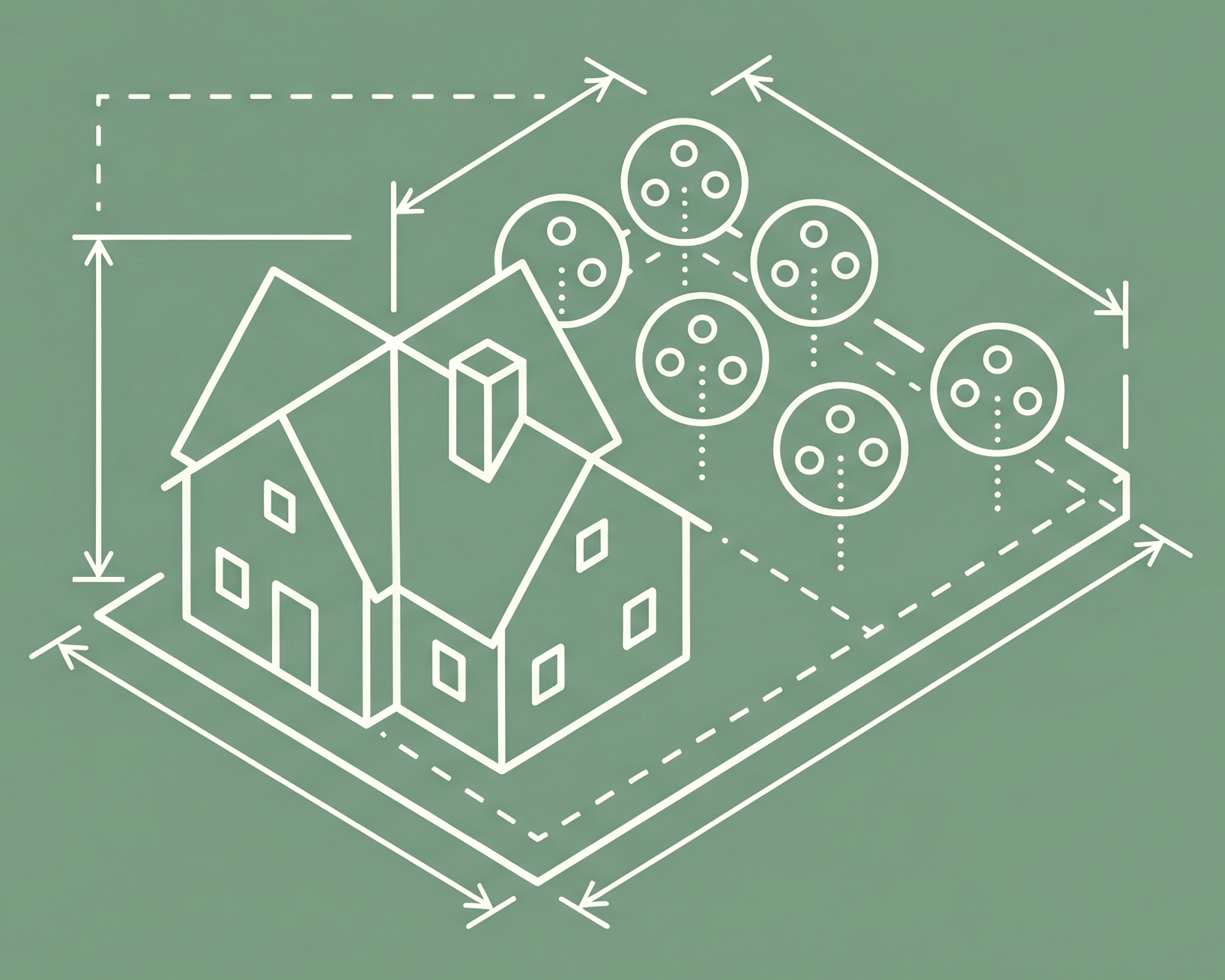
For two miniature does, an 8 foot by 8 foot shed is plenty. For two standard does, a 10 foot by 12 foot shed feels generous. A used garden shed, a chunk of a pole barn, or even a sturdy hoop coop on skids will all work.
Bedding matters more than insulation. Use a deep layer of straw or pine shavings. Fluff it weekly so it stays clean and dry. Strip it and start fresh every couple of months. The deep litter method, where you keep adding fresh bedding on top of old, traps body heat and composts itself through winter. Most goat keepers swear by it.
Ventilation matters too. Goats handle cold better than wet. A small ridge vent or a cracked window near the top of the wall lets moisture escape without creating a draft on the goats. A sealed up shelter in winter quickly becomes a damp shelter full of pneumonia.
Add a milk stand inside or just outside the shelter if you are keeping dairy goats. A simple wooden stand with a head catch turns milking from a wrestling match into a five minute morning ritual. Plans cost nothing online.
Inside the shelter, keep three things accessible. A hay feeder that keeps hay off the ground. A free choice mineral feeder. A clean water bucket, heated in winter if you live somewhere it freezes.
Predators are real even in suburbs. Coyotes, loose dogs, the occasional bobcat, and stray packs all see a goat as a meal. Lock the goats inside at dusk every night. A motion light on the shelter helps. A livestock guardian dog or donkey is overkill for two does, but worth considering once you have five or more.
Fencing Is Where Most Beginners Fail
If you take one thing away from this guide, take this. Goats find every weakness in your fence within 48 hours. They are escape artists with hooves and patience.
You have three good fencing options and a couple of bad ones.
Woven wire field fence, four feet tall, four inch by four inch grid. The standard fence for goats. The four by four mesh is small enough to keep heads in. The four foot height is enough for most goats. T posts every 8 to 10 feet, with wooden corner posts. Run a single strand of hot wire about a foot off the ground, on the inside, to keep them from rubbing the fence loose.
Welded cattle panels, sixteen feet long, four feet tall. More expensive per foot than field fence, but bombproof. Bolted or wired to T posts. Cattle panels make excellent paddocks because you can rearrange them as your needs change. The four inch grid keeps adults in. Newborn kids slip through, so plan for a smaller mesh panel along the bottom during kidding season.
Electric netting designed for sheep and goats, 42 to 48 inches tall. Portable and incredibly effective once goats are trained to respect it. Step in posts every six to ten feet. A charger sized for your run length. Goats touch the netting once and then never touch it again. This is the option for rotational grazing on small acreage.
The bad options to skip.
Single strand electric wire. Goats walk through it before they learn the lesson. Use two or three strands at minimum, and ideally combine with a physical fence.
Barbed wire. Designed for cattle, not goats. The strands are too far apart and goats slip through. They also tear teats and udders on barbs.
Old chain link. Worth what you pay. Goats climb it, push it over, and use it as a stepping stool.
For a starter quarter acre paddock, plan on $400 to $1,200 in fencing materials. The total depends on how much existing fencing you can use and whether you build with wood or T posts.
For the full breakdown on fence types, post spacing, hot wire setup, gate latches, and real cost numbers for a one acre perimeter, head to the complete goat fencing guide.
Warning
Build the fence before the goats arrive. Do not bring goats home to a half finished fence and tell yourself you will finish it next weekend. You will spend that weekend chasing escaped goats through your neighbor's tulips.
Feeding Goats the Right Way
The base of a goat diet is forage. Not grain. Not pellets. Not kitchen scraps. Forage.
For dry lot goats and goats on poor pasture, that means quality grass hay, free choice, all day. Timothy, orchard grass, or a grass alfalfa mix is the sweet spot. Adult does outside of milk production usually do best on grass hay. Heavy alfalfa for dry does and wethers can throw off calcium balance and cause urinary stones, especially in wethers.
For goats on pasture, the grazing itself covers most of their needs. They eat brush, browse, weeds, and grass in proportions a cow would never tolerate. Supplement with hay during the dormant season and during heavy lactation.
A doe in milk also gets a small ration of grain on the milk stand. Half a pound to one pound of a 16 percent dairy goat ration per day is plenty for a miniature. Standard size milkers can handle two to four pounds split across two milkings. Grain on the milk stand also doubles as a training tool. The goat learns that the stand means breakfast.
Wethers and dry does usually need no grain at all. They put on unhealthy weight if you treat them with grain every day. Reserve grain for animals that are working for it.
Four other items belong in every goat setup.
Free choice loose mineral, formulated for goats. Not a sheep mineral, which lacks copper. Not a cattle mineral, which has the wrong copper levels. A goat specific mineral with at least 1,500 ppm copper is critical. Copper deficiency creeps in over months and shows up as a fishtail looking back coat, faded color, and persistent parasites. Keep a small covered feeder in the shelter and refill it weekly.
Free choice baking soda. Goats self regulate rumen acidity by snacking on baking soda when they need it. Just keep a small bowl available. It costs almost nothing and prevents some of the most common digestive issues.
Clean fresh water, refilled daily. Goats refuse dirty water and will dehydrate themselves rather than drink it. Scrub the bucket every few days. In winter, use a heated bucket or a tank heater. Frozen water is the silent cause of half the winter problems beginners report.
A salt block or loose salt. Mineral salt blocks designed for goats provide trace minerals plus sodium. Free choice, always available.
What to skip. Most kitchen scraps. Lawn clippings, which can ferment in the rumen. Anything in the rhododendron, azalea, or yew family, which is straight up toxic. Bread, processed snacks, sugary treats, and most table food. Goats are not garbage disposals. A few apple slices or carrot tops as treats are fine.
For the full breakdown on hay choices, grain rations by breed, mineral programs, life stage feeding, and seasonal tweaks, head to the complete goat feeding and nutrition guide.
Daily, Weekly, and Monthly Routine
The honest time commitment for a small herd of two or three goats is 30 to 60 minutes a day, split across morning and evening.
Morning. Refill water. Top off hay. Milk any does in production, which adds about 10 minutes per doe once you have a rhythm. Quick visual health check on each goat. Note anything unusual. Pet the friendly ones for the dose of dopamine.
Evening. Refill hay if needed. Close the shelter. Quick head count. Make sure water is clean and full.
Weekly. Scrub water buckets. Refresh bedding. Sweep the milk stand. Top off minerals and baking soda. Check the perimeter of your fence for sags or breaks.
Monthly. Trim hooves. Restock grain, minerals, and hay. Check first aid kit for missing supplies. Walk the pasture and note overgrazed spots that need rest.
Seasonally. Worm test in spring and fall. Vaccinate annually for CD&T. Schedule breeding if you milk year round. Stock winter hay before the snow flies. Clean and disinfect the shelter once a year, ideally in summer.
Once you find the rhythm, the chores stop feeling like work. Goat people often describe their daily round as the best part of the day. The animals are funny. The milk is incredible. The work moves your body in a way that desk life never does.
Goat Health 101
Goat health is mostly preventive. Get a handful of basics right and most beginner emergencies never happen.
Parasites are the number one killer of goats in the United States. Internal worms, especially the barber pole worm, can drain a goat in days. Do not deworm on a calendar. Random deworming breeds resistant worms and does not actually keep your herd healthy. Instead, learn the FAMACHA score, where you compare the inside of the lower eyelid to a color chart. A pale eyelid means low blood count, which means worms. Test fecals through a vet or a mail in service like MEGA Lab. Treat only the goats that need treatment, with a dewormer that still works in your area. Rotate pastures. Avoid grazing the same paddock twice in 30 days.
Hooves need trimming every six to eight weeks. Hooves grow constantly, and overgrown hooves curl, crack, and lead to lameness and abscesses. A pair of orange handled hoof trimmers from any farm store costs about $20 and lasts forever. The first few trims feel awkward. By the tenth, it is a five minute job per goat.
Vaccinate annually for CD&T. This single shot protects against enterotoxemia and tetanus. Booster pregnant does about a month before kidding so they pass immunity to the kids through colostrum. CD&T is cheap, simple, and prevents two of the most common ways goats die fast.
Test new arrivals for CAE, CL, and Johne's. These are the big three contagious diseases in American goats. CAE spreads through milk. CL spreads through abscess fluid. Johne's spreads through manure. Any single untested goat can wipe out a clean herd. Insist on test results before you buy. If a seller refuses, walk away.
Find a goat experienced vet before you have an emergency. Many livestock vets do not see goats. Many small animal vets refuse them. The shortlist of vets who actually know goats is short, and you want their phone number on your fridge before kidding season. Ask local goat keepers for referrals. Build the relationship while everything is calm.
Build a basic first aid kit. A digital thermometer. Probios paste for upset stomachs. Activated charcoal for accidental toxic plant exposure. Vetericyn or a similar wound spray. Vet wrap. Bloat treatment if you have free pasture access. Most issues you handle yourself with a few simple tools.
Watch for these warning signs and act early. A goat off feed. A goat standing apart from the herd. A swollen left side, which means bloat. Pale eyelids. Diarrhea that lasts more than a day. A limp that does not resolve in 24 hours. Goats hide illness well. By the time a problem is obvious, it is often serious.
For the full breakdown on spotting parasites early, FAMACHA scoring, the disease list every new goat owner should know, kidding emergencies, and what belongs in a goat first aid kit, head to the complete goat health guide.
Breeding and Kidding Overview
Most homestead does are bred once a year for fresh milk. Goats are seasonal breeders that cycle from late summer through early winter. Cycles repeat every 18 to 21 days during the season. Gestation runs 145 to 155 days, almost exactly five months.
You have three options for breeding.
Keep your own buck. Means a separate pen, separate fencing, and tolerating buck musk during rut. Bucks are not as terrible as the internet claims, but they are loud and smelly for two months out of the year.
Borrow a buck from a local breeder. Pay a stud fee of $75 to $200. You drive the doe over, leave her for a heat cycle or two, and bring her home bred. This is the standard path for small herds.
Artificial insemination. Increasingly accessible through breed clubs. Technical but flexible. Lets you breed your does to top genetics anywhere in the country.
A single doe usually has two or three kids per pregnancy. Triplets are common. Quads happen occasionally. Most does kid without help, but you should be present for the first hour to make sure each kid clears the membranes, finds the udder, and gets colostrum within two hours of birth. Colostrum in the first day determines whether the kid thrives or struggles all year.
Plan for what you will do with the kids before you breed. Selling registered doelings is easy. Selling buck kids is harder. Many homesteaders castrate buck kids in the first two weeks and either sell them as wethers or raise them for the freezer. Going into kidding season without a plan for the offspring is how a small herd becomes a chaotic herd in 18 months.
For the full breakdown on heat cycles, buck options, gestation, kidding prep, and what to do with the kids, head to the complete goat breeding basics guide. For now, plan your first kidding for spring and bring in a vet who has been through it before.
What It Costs to Start Raising Goats
Realistic numbers for a starter herd of two miniature does, including basic infrastructure, on a small property.
Two registered Nigerian Dwarf doelings. $600 to $1,200 depending on registration and bloodlines.
Shelter, either used shed or built from scratch. $500 to $2,500.
Fencing materials for a quarter acre paddock. $400 to $1,200.
Milk stand, feeders, water buckets, and basic tools. $250 to $500.
First month of hay, grain, and minerals. $80 to $150.
Initial vet visit, vaccines, and supplies. $150 to $300.
Total upfront for a Nigerian Dwarf pair runs roughly $2,000 to $5,500 depending on how much you build versus buy.
For a pair of standard size dairy does like Nubians or Alpines, add roughly 50 percent to the totals. Bigger goats want bigger shelter, more hay, and slightly more fencing.
Monthly running cost for two does once everything is set up. $50 to $100 for hay, grain, minerals, and routine supplies for a miniature pair. $100 to $200 for a standard pair. Vet costs average another $150 to $300 per year per goat for vaccines, fecals, and the occasional issue.
For most small homesteaders, goats are not a profit center. They are a quality of life upgrade. The milk is incredible. The cheese is a different planet from grocery store cheese. The manure is the best garden amendment you will ever spread, which is why our composting 101 guide treats goat manure as black gold.
Common Beginner Mistakes to Avoid
Most goat heartbreak comes from a short list of repeated mistakes. Skip these and your first year will go better than nine out of ten beginner herds.
Buying a single goat. Already covered. Two minimum. Always.
Skipping disease tests when buying. CAE, CL, and Johne's all spread through milk, blood, and shared equipment. One untested goat can wipe out a clean herd in a year. Insist on test results.
Cheap fencing. A weak fence is the single most expensive shortcut in goat keeping. Build it right the first time. You will pay for it once.
Using sheep mineral. Copper deficiency creeps in over months. Your beautiful black goat slowly turns rusty brown. Coat quality fades. Parasites win. Use a goat specific mineral with adequate copper, always.
Deworming on a calendar. You will breed resistant parasites and run out of options. Test, then treat. Use FAMACHA between fecals.
Skipping hoof trims. Overgrown hooves cause lameness, foot rot, and eventual chronic problems. Every six to eight weeks, every goat. No exceptions.
Buying at sale barns. The disease exposure at a livestock auction is brutal. The cheapest goats are almost always the most expensive goats you will ever own. Buy from a tested farm with milk records and references.
Underestimating predators. Lock the herd in at dusk every night. Suburban or rural, predators find a goat eventually.
Not planning for kids. Breeding is also a decision about what happens to the offspring six months later. Decide before you breed.
Letting alfalfa replace grass hay for everyone. Great for milkers. Bad for wethers and dry does. Match feed to function.
Frequently Asked Questions
Frequently Asked Questions
Miniature breeds like Nigerian Dwarfs are happy on a quarter acre for two does. Standard size dairy or meat goats want at least a half acre for two does, and they do better with more. If you plan to pasture rather than dry lot, plan on one acre per two standard goats or one acre per four miniatures, with rotational grazing to double effective capacity.
Nigerian Dwarf goats are the most beginner friendly breed in the United States. They are small enough to handle, gentle enough to live with kids, productive enough to give real milk, and cheap enough to feed on a small property. LaMancha is another excellent choice if you want a quiet standard size dairy goat.
No. Goats are herd animals and a single goat will be stressed, loud, and prone to escaping. Always start with at least two. Two does, two wethers, or a doe and a wether are all good starter pairs. Two unrelated bucks should not share a pen with does present.
A productive Nigerian Dwarf doe gives one to two quarts a day during her 10 month lactation. A standard breed like Nubian or LaMancha gives three quarters to a full gallon a day. A high producing Saanen or Alpine can give a gallon and a half to two gallons a day. Production peaks about a month after kidding and tapers over the next nine months.
Use woven wire field fence with a four inch by four inch grid, four feet tall, with a hot wire on the inside. Welded cattle panels are also excellent and easier to reconfigure. Electric netting designed for sheep and goats works for rotational grazing once goats are trained to it. Avoid barbed wire, single strand electric, and chain link.
A realistic starter setup for two Nigerian Dwarf does runs $2,000 to $5,500, including the goats, shelter, fencing, and basic equipment. A pair of standard size dairy goats runs about 50 percent more. Monthly running costs settle around $50 to $100 for a miniature pair, plus annual vet costs of $150 to $300 per goat.
No. Goats need a dry, draft free, three sided shelter that blocks wind and rain. A simple shed with deep bedding works in most climates. Ventilation matters more than insulation. Goats handle cold well as long as they stay dry. A heated water bucket is the one winter upgrade that pays for itself.
Most goats live 10 to 15 years with good care. Dairy does often have a productive milking life of 7 to 10 years. Meat goats are usually butchered well before they reach old age. Plan for the full lifespan when you bring goats home. They are long term animals, not seasonal livestock.
The base of a goat diet is forage. Quality grass hay free choice for dry lot goats. Pasture and browse for goats on land. Add a small ration of grain on the milk stand for does in production. Free choice loose goat mineral, baking soda, and clean water round out the daily setup. Skip lawn clippings, kitchen scraps, and anything in the rhododendron family.
Bringing It All Together
Goats reward planning more than almost any animal you can add to a homestead. They are not hard to keep. They are just unforgiving of corners cut on fencing, minerals, and herd company.
Start with two healthy goats from a tested farm. Match the breed to your goals and climate. Build a dry, predator proof shelter and a strong woven wire or cattle panel fence before they arrive. Stock goat specific minerals and baking soda from day one. Find a goat experienced vet before you need one. Learn FAMACHA scoring before your first parasite season. Do those six things and your first year will go better than most.
The payoff is real. Fresh milk on the counter every morning. Homemade chevre and yogurt that ruin store cheese forever. Meat kids in the freezer if you choose to raise them. Brush and weeds disappearing from corners of your land that no mower could touch. And a small herd of curious, affectionate animals that turn morning chores into the best part of your day.
When you are ready to go deeper, our Nigerian Dwarf goat guide covers the breed most beginners start with. The animals hub connects goats to chickens, bees, rabbits, and the rest of the homestead menagerie. One small herd, in other words, can anchor an entire homestead.

Cole
Founder & Lead Researcher
Cole is the founder of Plan Your Homestead. He works in clinical research and brings a research-first lens to every guide on the site, drawing on a long family line of farmers for grounded, practical perspective.
More in Animals
More articles coming soon. Check back for new animals content.