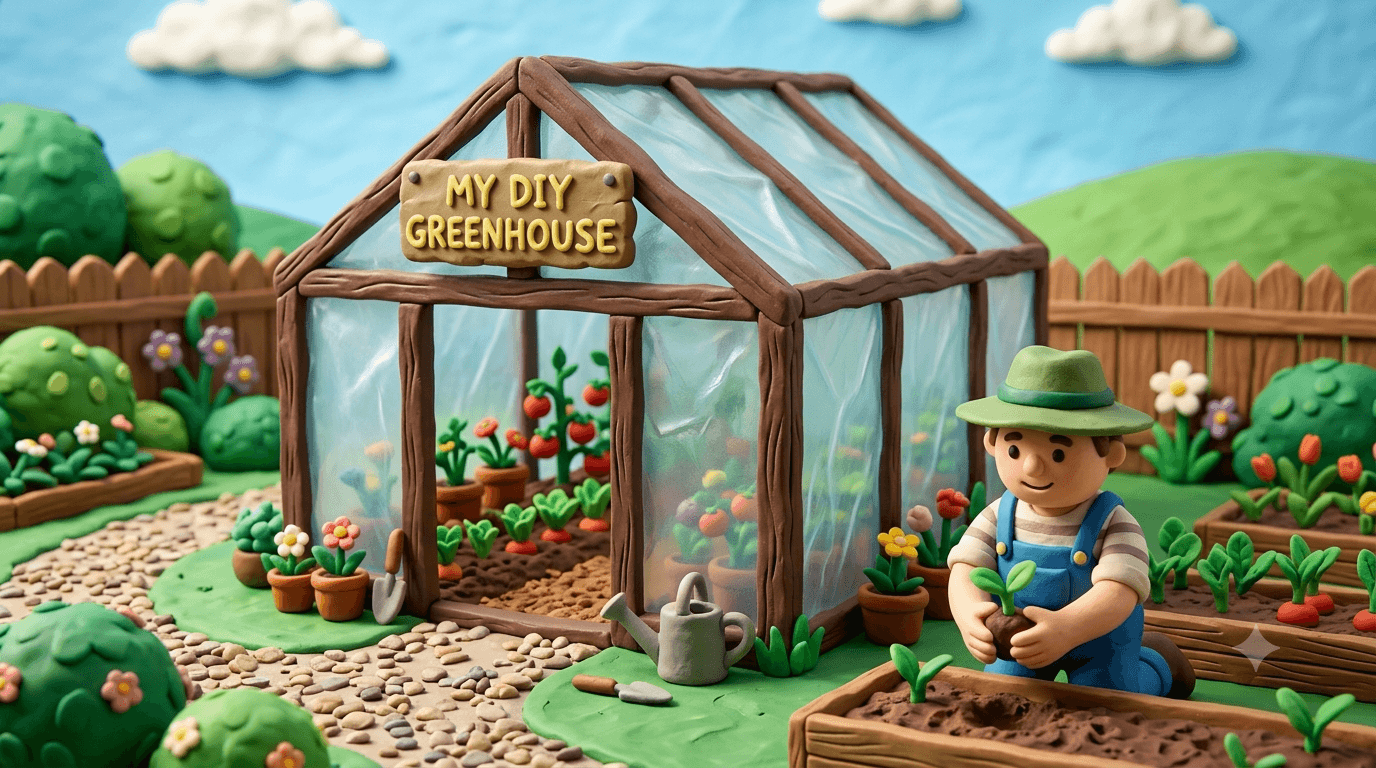
Tomato seedlings in March. Fresh greens in December. Peppers that ripen weeks before your neighbor's. A backyard greenhouse turns the dream of year round growing into something you can actually build in your own yard.
A greenhouse is the next step up from a simple cold frame. It gives you room to stand up, walk in, start seeds, overwinter tender plants, and stretch your season by months on both ends. The good news is you do not need a contractor or a fat budget to get one. A solid DIY greenhouse can go up in a weekend for a few hundred dollars.
This guide walks you through the whole decision in plain language. You will learn the main greenhouse types and how they compare, how to size and site one, which glazing to pick, and how to build a sturdy backyard greenhouse step by step. We will cover ventilation, heating, what to grow, and the mistakes that trip up first time builders. Grab a coffee and let us get into it.
What a Greenhouse Does
A greenhouse is a covered structure that traps the sun's heat and holds it. Light passes through the clear walls and roof. That light warms the soil, the benches, and the air inside. The covering then slows the warmth from escaping. The result is a pocket of growing space that stays warmer than the world outside.
That warmth buys you time. You can start seeds six to eight weeks before the last frost. You can grow cold hardy crops deep into winter. You can keep citrus, figs, and tender herbs alive through a freeze. In summer, a vented greenhouse becomes a warm haven for heat lovers like peppers, eggplant, and melons.
A greenhouse differs from a cold frame in scale and access. A cold frame is a small lidded box you reach into from above. A greenhouse is a walk in room you live and work inside. If you have outgrown your cold frame or you want to grow standing up, a greenhouse is the upgrade.
Greenhouse Types Compared
There is no single best greenhouse. The right one depends on your budget, your climate, your yard, and how handy you are. Here are the six designs most backyard growers choose from.
Hoop House (Polytunnel)
A hoop house is a series of curved pipes covered in greenhouse film. It is the cheapest and fastest greenhouse you can build. A 10 ft by 20 ft hoop house can go up in a weekend for under $400.
- Pros. Very low cost. Quick to build. Easy to scale long. Great for in ground beds.
- Cons. Film lasts only three to four years. Less insulation. Can flap and tear in high wind without good anchoring.
- Best for. Gardeners who want maximum growing space for the least money.
Lean To
A lean to greenhouse shares one wall with your house, garage, or barn. That shared wall stores heat and cuts your material cost and your heat loss.
- Pros. Warmest design in cold climates. Saves materials. Easy access from the house. Free heat from the building wall.
- Cons. Limited by the size of the wall. Gets light from only one or two sides. Needs a south facing wall to shine.
- Best for. Small yards and cold climate growers who want the warmest possible structure.
A Frame
An A frame greenhouse has steep, straight sloped sides that meet at a peak. The simple geometry makes it easy to build with basic lumber and to shed snow.
- Pros. Sheds snow and rain well. Simple, strong framing. Cheap to build in wood.
- Cons. Sloped walls cut into headroom and bench space along the edges. Less usable floor area than a gable design.
- Best for. Snowy climates and builders who want a simple, rigid wood frame.
Freestanding Gable
A gable greenhouse is the classic shape, with straight vertical walls and a peaked roof. It gives you the most usable interior space and the most room for benches and tall plants.
- Pros. Maximum headroom and bench space. Looks great. Easy to fit doors, vents, and shelving. Stands alone anywhere in the yard.
- Cons. More materials than a hoop house. More cutting and framing work.
- Best for. Anyone who wants a permanent, roomy, good looking greenhouse and is comfortable with a weekend of framing.
Geodesic Dome
A geodesic dome is a sphere built from many small triangles. The shape is incredibly strong, sheds wind, and spreads light evenly across the interior.
- Pros. Very strong in wind and snow. Even light. Striking to look at. Great heat retention from the round shape.
- Cons. Tricky math and many cuts. Hard to fit standard benches and shelving to curved walls. Harder for beginners.
- Best for. Windy, exposed sites and builders who enjoy a challenge.
Glass or Kit Greenhouse
A glass greenhouse, often bought as a kit, uses rigid panes in an aluminum or wood frame. Kits arrive ready to bolt together.
- Pros. Beautiful and long lasting. Glass never clouds. Kits skip the design work.
- Cons. Expensive, often $1,500 and up. Glass is heavy, breakable, and a poor insulator pane for pane. Kits limit your size choices.
- Best for. Gardeners who want a finished look and are happy to buy rather than build.
Tip
If you are building your first greenhouse and you want the best balance of cost, space, and durability, a freestanding gable frame with twin wall polycarbonate is hard to beat. That is the build we walk through below.
Sizing and Siting
Where you put the greenhouse matters as much as how you build it. A perfect greenhouse in a shady corner will disappoint you. A simple one in full sun will thrive.
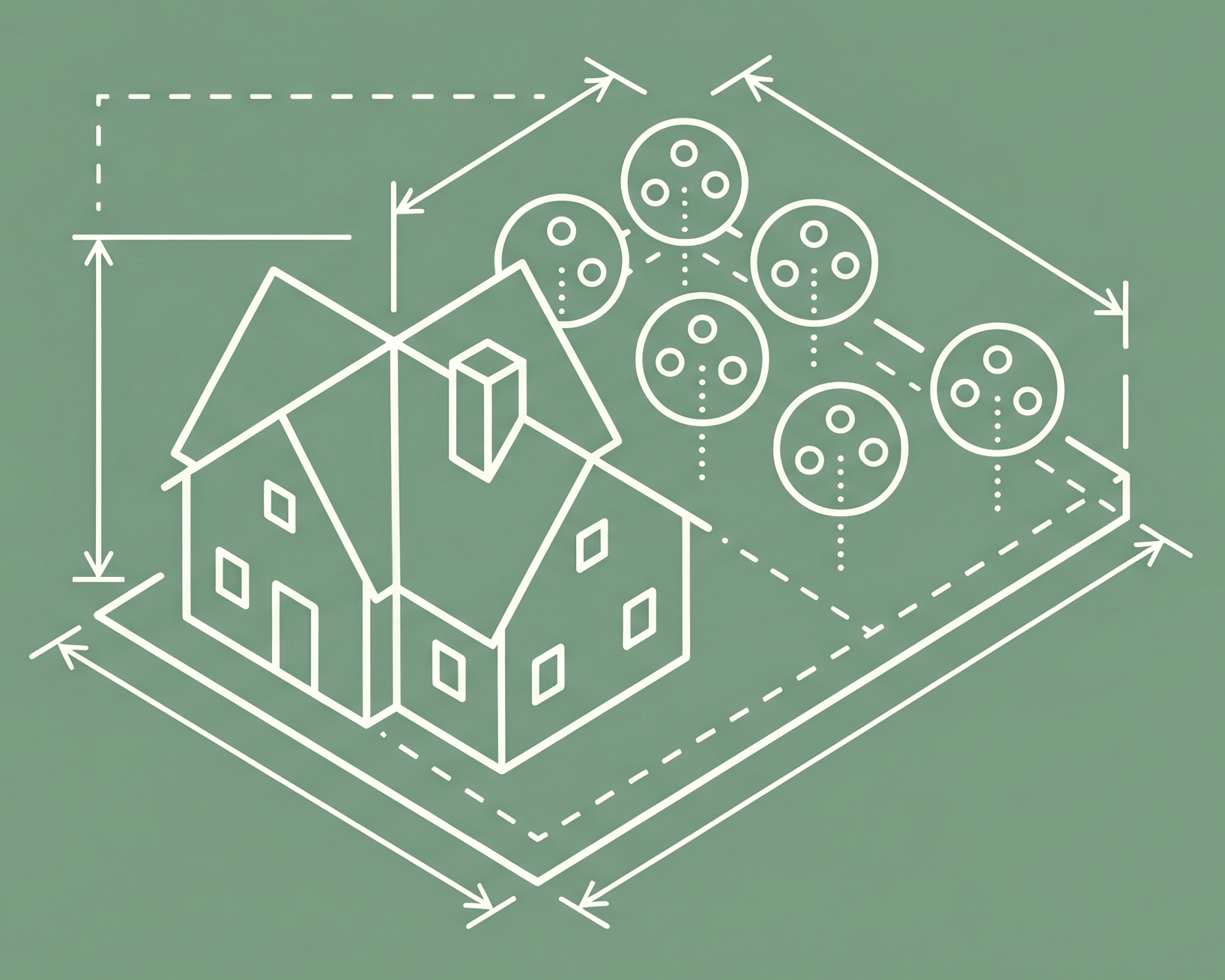
- Face the long side south. In the northern hemisphere, run the ridge east to west and point the long wall south. That captures the most light through the short days of winter.
- Chase full sun. Aim for six or more hours of direct sun in winter, when the sun sits low and trees and buildings throw long shadows. Walk your yard at noon in December if you can.
- Find level, well drained ground. Standing water freezes and chills the floor. A slightly raised, well drained pad keeps the interior dry and warm.
- Block the wind. A fence, hedge, or building to the north and west cuts cold wind and heat loss. Avoid open, exposed hilltops unless you build extra strong.
- Stay close to water and power. You will water often and may want a fan or heater. A greenhouse near a spigot and an outlet gets used. One at the back of the property does not.
- Leave room to walk around. Plan a clear path on all sides for maintenance, venting, and future expansion.
For size, think bigger than you expect. Most people fill a greenhouse faster than they planned. A 8 ft by 10 ft greenhouse suits a single gardener starting seeds and growing a few crops. A 10 ft by 16 ft greenhouse serves a family and leaves room for benches down both sides with a center aisle. Build the largest size your space, budget, and local code allow.
Choosing Your Glazing
Glazing is the clear covering that lets light in and holds heat. It is the most important choice you will make. Three options cover almost every backyard build.
Twin Wall Polycarbonate
Twin wall polycarbonate is two layers of clear plastic with a honeycomb of air channels between them. That trapped air gives it real insulation value, far better than glass or film. It is light, nearly unbreakable, and shrugs off hail and stray baseballs. It cuts with a fine tooth saw or a sharp utility knife.
This is the top pick for most permanent greenhouses. It lasts ten years or more, diffuses light evenly across your plants, and keeps the structure warm. A 6 mm panel is the standard for backyard use.
Greenhouse Film (Polyethylene)
Greenhouse film is a tough plastic sheeting stretched over a frame, the classic hoop house covering. It is by far the cheapest glazing and the fastest to install. A double layer with a small fan blowing air between the sheets adds insulation and strength.
The catch is lifespan. Even good UV stabilized film breaks down in three to four years and needs replacing. Choose film rated for greenhouse use, not hardware store painter's plastic, which shreds in a single season.
Glass
Glass is the traditional, beautiful choice. It never clouds, lasts a lifetime, and looks wonderful. It is also heavy, breakable, expensive, and a weak insulator unless you pay for double pane units. Salvaged windows can make a charming, low cost glass greenhouse if you are patient and handy.
Warning
If you use single pane glass, especially salvaged windows, run a strip of safety film on the inside face. A failed pane can drop sharp shards onto plants, pets, and people. Twin wall polycarbonate and double pane units are far safer choices for a space you walk inside.
Picking a Foundation
A greenhouse needs to stay put in wind and sit level for the doors and vents to work. You have three common options.
- Ground anchors. For a hoop house or a light frame, drive rebar or screw in earth anchors and strap the frame down. Cheapest and quick, but least permanent.
- Pressure treated wood base. A simple rectangle of treated 4x4 or 4x6 timbers, leveled and staked, gives a solid sill to screw the frame to. The sweet spot for most DIY gable greenhouses.
- Gravel or concrete pad. A compacted gravel pad drains well and stays clean. A concrete slab is the most permanent and the most expensive. Both suit a long term, walk in greenhouse.
A leveled, pressure treated timber base on a bed of compacted gravel drains well, anchors firmly, and costs far less than concrete. That is what the build below assumes.
Tools You Will Need
Most of these live in a typical home workshop already.
- Cordless drill and impact driver
- Circular saw or miter saw
- Tape measure and carpenter's square
- Level, at least 4 ft long
- Pencil and string line
- Safety glasses and work gloves
- Utility knife for the polycarbonate
- Ladder or sturdy step stool
- A second set of hands for raising walls and panels
A few optional items speed the job along.
- Step bit for clean, oversized screw holes in polycarbonate
- Caulk gun for sealing seams
- Post level for plumbing the corners
Materials List and Cost Breakdown
Costs are approximate, based on average United States prices in 2026, for a 8 ft by 10 ft freestanding gable greenhouse with twin wall polycarbonate. The salvaged column assumes free or cheap reclaimed lumber and a secondhand door.
| Item | Quantity | New Cost | Salvaged Cost |
|---|---|---|---|
| Pressure treated 4x4 x 8 ft (base sill) | 4 | $80 | $0 to $30 |
| 2x4 x 8 ft framing lumber (walls and rafters) | 24 | $190 | $40 to $90 |
| 2x4 x 10 ft (ridge and plates) | 4 | $44 | $10 to $20 |
| Twin wall polycarbonate, 4 ft x 8 ft, 6 mm | 8 | $360 to $480 | n/a |
| Polycarbonate H channel and end caps | 1 kit | $60 | $60 |
| Exterior door, salvaged or prehung | 1 | $0 to $150 | $0 to $40 |
| Roof vent or auto vent opener | 1 | $40 to $90 | $40 |
| 3 inch exterior deck screws | 1 box | $30 | $30 |
| 1 5/8 inch exterior screws and washers | 1 box | $20 | $20 |
| Hinges, handle, and corner brackets | 1 set | $35 | $35 |
| Compacted gravel for the pad | 1 to 2 yards | $60 | $60 |
| Exterior sealer or paint | 1 to 2 quarts | $30 | $30 |
| Build total with new materials | ~$1,000 | ||
| Build total with salvaged lumber and door | ~$450 |
Use cedar or pressure treated lumber for the base that touches the ground. For the framing above the sill, untreated framing lumber works fine if you seal or paint it. Skip pressure treated wood for any surface that touches food crops or where you handle it daily.
Step by Step Build Instructions
Plan on a full weekend for two people, longer if you are working alone or pouring a slab. Work on a dry day with a clear forecast so the glazing goes on clean.
Step 1: Prepare and Level the Site
Mark out a 8 ft by 10 ft rectangle with stakes and string. Check that the corners are square by measuring the diagonals. When both diagonals match, the rectangle is square. Clear the sod, level the ground, and lay down 3 to 4 inches of compacted gravel for drainage.
Step 2: Build the Base Frame
Cut your pressure treated 4x4 timbers to form the 8 ft by 10 ft rectangle. Join the corners with long structural screws or corner brackets. Set the base on the gravel and check it for level in every direction. Shim with gravel until it is dead level. Stake or anchor the base so it cannot shift.
Step 3: Frame the Walls
Build the four walls flat on the ground like stud walls. Use 2x4s for the bottom plate, top plate, and studs spaced 24 inches on center. The two long south and north walls stand about 6 ft tall. Frame a door opening into one end wall and a vent opening high on the opposite end. Stand each wall up, screw it to the base sill, and brace it plumb.
Step 4: Set the Ridge and Rafters
Raise a 2x4 ridge board down the center, supported by a post at each gable end. Cut your rafters with a matching angle at the top so they meet the ridge cleanly and sit flat on the top plate. A 30 degree roof pitch sheds snow well and frames easily. Screw each rafter pair to the ridge and the wall plates, spaced 24 inches on center to match the studs.
Step 5: Square and Brace the Frame
Check the whole frame for square and plumb again. Add diagonal braces at the corners and a knee brace or two under the rafters. A greenhouse catches wind like a sail, so a well braced frame is what keeps it standing for years.
Step 6: Cut and Attach the Polycarbonate
Cut your polycarbonate panels to fit each wall and roof section. Keep the internal channels running vertically on the walls and downslope on the roof so any condensation drains out the bottom. Seal the top edge of each panel with solid tape and the bottom edge with vented tape, then cap with the end caps.
Fasten the panels with 1 5/8 inch screws fitted with rubber washers, set every 12 to 16 inches. Drill the holes in the polycarbonate slightly oversized with a step bit so the panels can expand and contract with temperature without cracking. Use H channel between panels for a clean, sealed joint.
Tip
Leave the protective film on the polycarbonate until each panel is screwed down. Pull the film right after fastening. The printed side faces out, since that layer carries the UV protection that makes the panels last a decade.
Step 7: Hang the Door and Vent
Hang your door in the framed opening with three exterior hinges and add a handle and latch. Install the roof or gable vent in its opening. An automatic vent opener, a small piston that opens the vent as the air warms, is one of the best upgrades you can add. It vents the greenhouse for you on hot days when you are away.
Step 8: Seal, Finish, and Move In
Run a bead of exterior caulk along the seams where the frame meets the glazing and the base. Brush sealer or exterior paint on any bare framing lumber. Add a layer of gravel, pavers, or mulch on the floor. Bring in your benches, hang a thermometer, and you are ready to grow.
The greenhouse is done.
Ventilation and Temperature Control
Heat is easy to gain and hard to manage. A sealed greenhouse on a sunny 50 degree day can rocket past 100 degrees inside and cook your plants. Good airflow is not optional.
- Aim for roof and low vents. Hot air rises and exits the roof vent while cooler air enters low through a door or side vent. That chimney effect cools the whole structure without any power.
- Size your vents generously. Total vent area should equal roughly one fifth of the floor area. Too little venting is the most common greenhouse mistake.
- Add an automatic opener. A wax piston vent opener needs no electricity and opens and closes itself as the temperature changes. It is cheap insurance against a hot afternoon.
- Run a circulation fan. A small fan moving air inside prevents hot and cold pockets, dries leaves, and fights mold and disease.
- Hang a max min thermometer. It records the highest and lowest temperatures since you last checked, so you learn exactly how your greenhouse behaves.
Heating and Cooling Through the Seasons
Most backyard greenhouses run unheated and simply stretch the season by a month or two on each end. If you want to push further, here are the common upgrades.
For shoulder season warmth, thermal mass is the cheapest helper. Black painted barrels or jugs of water sit in the sun all day and release heat through the night, often holding the interior 5 to 10 degrees warmer. Stacking them along the north wall works best.
For true winter growing in cold climates, a small electric or propane greenhouse heater on a thermostat keeps the air above freezing. Size it to your space and always vent propane units to avoid fume buildup. A layer of bubble wrap insulation on the north wall and a row cover draped over the plants inside add several degrees for almost nothing.
For summer, shade cloth stretched over the roof cuts heat and sun scald. A 30 to 50 percent shade cloth keeps the interior workable through the hottest months. Pair it with full venting and a fan and your greenhouse stays productive all year.
What to Grow and When
A greenhouse works hard in every season if you plan for it.
- Late winter and spring. Start tomato, pepper, and brassica seedlings six to eight weeks before your last frost. Harden them off before they go to the garden.
- Summer. Grow heat lovers that struggle outdoors in cool climates, like peppers, eggplant, basil, melons, and cucumbers.
- Fall. Sow cold hardy greens such as spinach, kale, and lettuce for a long harvest into winter.
- Winter. Overwinter tender perennials, citrus, figs, and herbs. Keep harvesting greens in milder zones or with a little added heat.
Pair the greenhouse with a few raised garden beds inside or just outside the door and you have a complete growing system that runs twelve months a year.
Common Mistakes to Avoid
A few traps catch nearly every first time builder. Sidestep these and your greenhouse will serve you for years.
- Building too small. Almost everyone wishes they had gone bigger. Plan for more space than you think you need.
- Skimping on ventilation. Too little vent area is the number one killer of greenhouse plants. Cook once and you will never skimp again.
- Poor anchoring. A greenhouse is a sail. An underbuilt or poorly anchored frame can blow apart in a storm. Brace it well and tie it down.
- Facing the wrong way. Run the long wall south for winter light. A poorly oriented greenhouse loses much of its value in the dark months.
- Cheap film or painter's plastic. Hardware store plastic shreds in a season. Buy UV rated greenhouse film or step up to polycarbonate.
- Forgetting drainage. A wet, muddy floor breeds disease and chills the space. Lay gravel and grade the site to drain.
- No shade plan for summer. Many people heat for winter and forget that summer sun can be just as deadly. Keep shade cloth on hand.
- Single pane glass overhead. Use polycarbonate, double pane units, or safety film. Falling glass in a space you walk through is a real hazard.
Frequently Asked Questions
Frequently Asked Questions
A simple hoop house covered in greenhouse film can go up for $300 to $500. A permanent 8 ft by 10 ft gable greenhouse with twin wall polycarbonate runs about $1,000 in new materials, or closer to $450 if you use salvaged lumber and a secondhand door. Glass kits start around $1,500 and climb quickly. The biggest single cost in a quality build is the glazing.
It depends on your local code and the size. Many areas allow a small, ground level greenhouse under a certain square footage with no permit. Larger structures, those on a concrete foundation, or those tied to utilities often do need a permit. Always check with your local building department before you build, especially if the greenhouse will be permanent or near a property line.
Twin wall polycarbonate is the better choice for a permanent greenhouse. It insulates far better than film, lasts ten years or more, resists hail and impact, and diffuses light evenly. Greenhouse film is much cheaper and faster to install, which makes it ideal for hoop houses and tight budgets, but it breaks down in three to four years and needs replacing. Choose polycarbonate for the long haul and film for low cost or temporary structures.
Not for spring and fall season extension, which an unheated greenhouse handles well on sun alone. For true winter growing in cold climates, some added heat helps. Start with free thermal mass like black water barrels, add bubble wrap insulation on the north wall, and only add an electric or propane heater on a thermostat if you want to keep tender plants growing through hard freezes. Many homesteaders grow cold hardy greens all winter with no heat at all.
For a single gardener starting seeds and growing a few crops, an 8 ft by 10 ft greenhouse is a comfortable starting point. For a family or a serious grower, a 10 ft by 16 ft greenhouse leaves room for benches down both sides with a center aisle. Whatever size you pick, build the largest your space, budget, and local code allow. Almost everyone fills their greenhouse faster than they expected.
It needs something solid and level to anchor to, but not always a concrete slab. A light hoop house can use driven ground anchors. A permanent gable greenhouse does best on a leveled pressure treated timber base set on compacted gravel, which drains well, anchors firmly, and costs far less than concrete. A full slab is the most permanent option and worth it only for a large, long term greenhouse.
Ventilation and shade are the answers. Provide roof and low vents totaling about a fifth of the floor area so hot air rises out and cool air flows in. Add an automatic vent opener so the greenhouse vents itself on hot days. Run a small circulation fan, and drape 30 to 50 percent shade cloth over the roof through the hottest months. Together these keep the interior workable even in peak summer.
Yes, and a lean to greenhouse built against a south facing wall is one of the warmest and most efficient designs you can choose. The shared wall stores heat, cuts your material cost, and reduces heat loss, and the greenhouse is easy to reach from inside the house. The trade off is that you get light from fewer sides and the size is limited by the wall, so it suits small yards and cold climates best.
Ready to Build Your Greenhouse?
That is the full picture. You know the types, you know how to site and size one, you know which glazing to choose, and you have a step by step plan for a sturdy backyard greenhouse you can build in a weekend. A greenhouse is a bigger project than a cold frame, but it pays you back with months of extra growing and a warm place to work when the rest of the garden is asleep.
When your greenhouse is up, keep building out your growing system. Fill it with our free raised garden bed plans, or start smaller and warm up your skills with a simple cold frame first.
For more weekend projects, browse the full DIY hub. For a complete walk through your first season in the dirt, head over to our starting a garden guide.
Happy building, and happy growing.

Cole
Founder & Lead Researcher
Cole is the founder of Plan Your Homestead. He works in clinical research and brings a research-first lens to every guide on the site, drawing on a long family line of farmers for grounded, practical perspective.
More in DIY
More articles coming soon. Check back for new diy content.