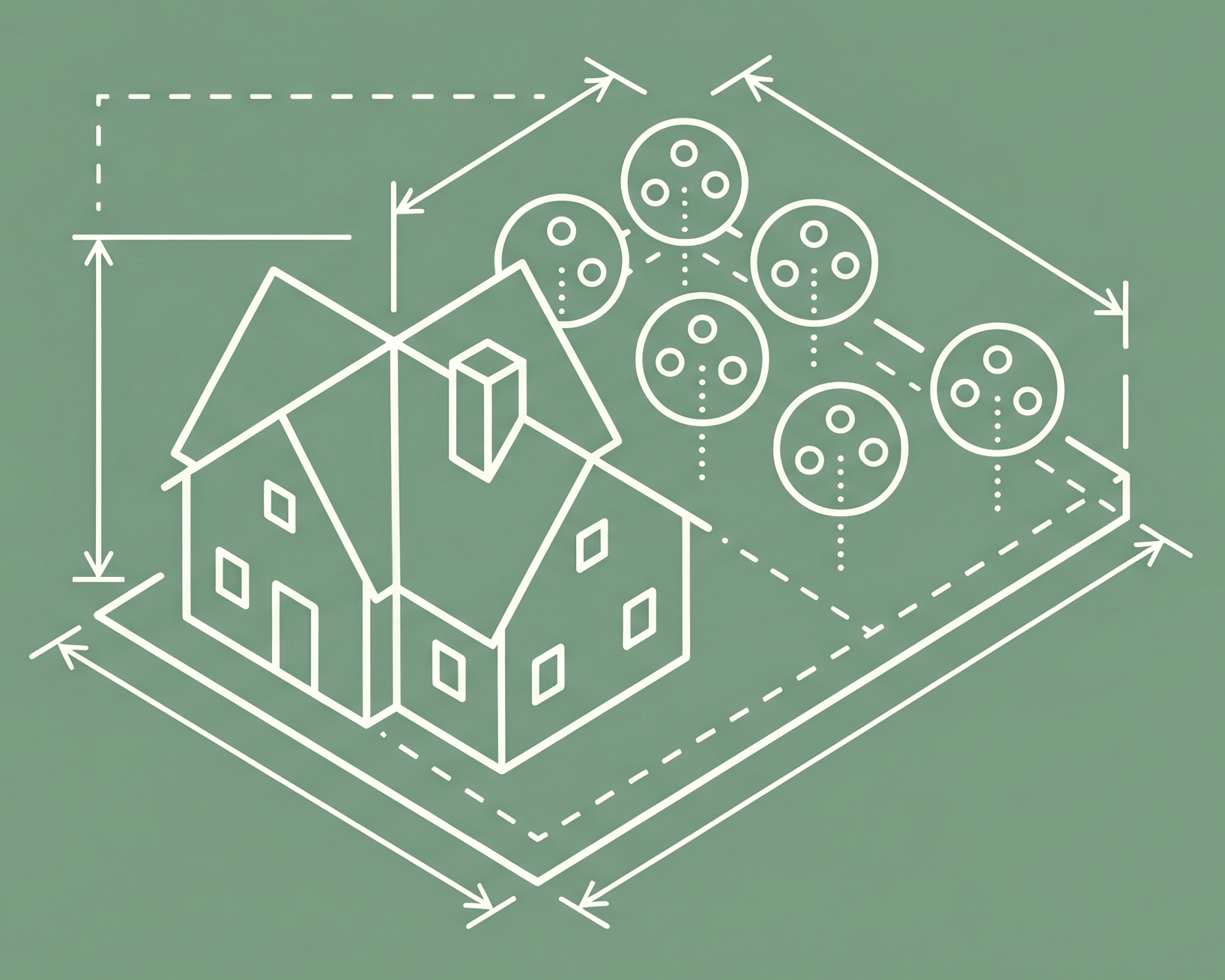
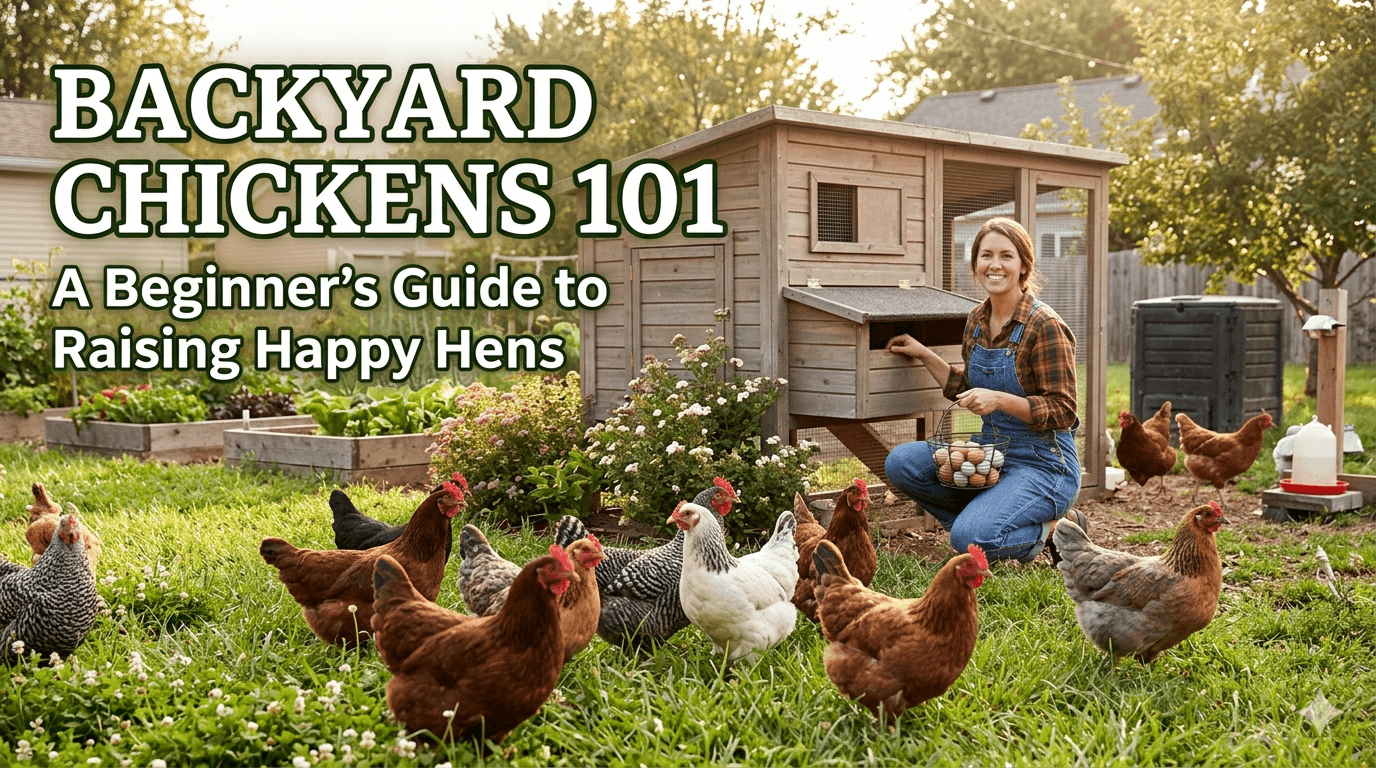
So you have a normal yard, a normal house, and maybe a neighbor or two within shouting distance. You want chickens anyway. Good news. You absolutely can.
A small backyard flock is one of the easiest, most rewarding ways to bring a piece of homestead life into a regular neighborhood. You do not need acreage. You do not need a barn. You do not need to quit your job. You need a quiet corner of the yard, a tight little coop, three or four friendly hens, and ten minutes a day.
This guide is written for the suburban and city keeper. If you live on five acres in the country, the standard chicken playbook works fine. But if you live in a subdivision, on a quarter acre lot, or on a tight urban property, the rules shift. The flock has to be smaller. The coop has to look nice from the kitchen window next door. The smell has to stay invisible. The morning routine has to fit between coffee and the school run.
The good news is none of that is hard once you know the moves. Let us walk through it together.
Is a Backyard Flock Right for You?
Before you spend a dollar, take a quiet minute and check the fit honestly. A backyard flock is wonderful when it is right for you. It is a slow heartache when it is not.
You are probably a great fit if you have a small fenced yard, you are home most evenings, you do not travel for weeks at a time, and you like the idea of a daily ritual. You will love this if you enjoy gardening, cooking from scratch, or watching wildlife at the feeder.
You may want to wait if you travel often without a sitter, if your yard is mostly hardscape with no soil at all, or if your work hours are wildly unpredictable. Chickens are forgiving, but they still need someone to lock them in at night.
Here is the honest truth. A flock of three or four hens takes about ten minutes a day on a normal day, plus an hour or two on weekends for cleaning and tinkering. That is roughly the same time commitment as a houseplant collection or a small dog. It is not a huge lift. It just has to be a steady one.
If your situation feels close but not quite there, that is okay. You can build the coop this year and get the birds next spring. You can start with a tabletop herb garden and add chickens later. There is no rush.
Check the Rules in Your Neighborhood
This step is the one most new keepers want to skip. Do not skip it. Spend an hour here and you will save yourself months of stress.
There are usually three layers of rules to clear, and you want to know all three before you order chicks.
The first layer is your city or town ordinance. Most cities allow backyard hens. The exact rules vary a lot. Some allow up to six birds. Some allow as few as three. Some require a yearly permit. Most ban roosters in residential zones because of the noise. Most also have setback rules, which means the coop has to sit a certain number of feet from your property line, your house, and your neighbor's house. A five minute call to your city zoning office answers all of this.
The second layer is your HOA or deed restrictions. If you live in a planned community, your HOA may flatly ban chickens even when the city allows them. Pull your covenants and read them carefully. Some HOAs ban poultry outright. Some allow it with conditions. A few quietly look the other way until one neighbor complains. Do not assume.
The third layer is your landlord, if you rent. A lease that does not mention chickens does not mean chickens are allowed. Ask in writing. Most landlords say yes when you come prepared with a coop plan and an offer to handle the cleanup.
Tip
Talk to your neighbors before you order birds. A short, friendly heads up goes a long way. Show them where the coop will sit. Promise no roosters. Offer to share a half dozen eggs every couple of weeks. Most skeptical neighbors turn into quiet supporters once that first egg carton lands on their porch.
If chickens are not allowed where you live, you have options. You can advocate for a code change, which has worked in many cities over the past decade. You can move forward with herbs, raised beds, or a small kitchen garden this year. Or you can wait for your next move and plan ahead.
How Many Hens for a Backyard?
Most new keepers ask this question right away. The honest answer is fewer than you think.
For a suburban or urban yard, three to four hens is the sweet spot. Three is the minimum because chickens are flock animals and a single bird gets lonely and stressed. Four gives you a small buffer in case you lose a bird. Anything more starts to overwhelm a small yard fast.
Here is the math. A healthy laying hen at peak production gives you roughly five to six eggs a week. Four hens, then, give you about twenty to twenty four eggs a week. That is two dozen. For most families, that is plenty. For a couple, that is more than plenty.
Production also slows in winter, during the annual molt, and as hens age. So your peak summer flock of four may quietly drop to one or two eggs a day in December. Plan for the slow season instead of trying to outscale it.
Resist the temptation to start with eight birds because the chicks are cute. Eight birds in a small yard means twice the feed, twice the bedding, twice the manure, twice the noise, and a coop that always smells a little bit. Start small. You can always add more next year.
Picking Quiet, Friendly, Yard Compatible Breeds
There are hundreds of chicken breeds. You only need to find three or four that match your situation. For a tight backyard, you want birds that are calm, quiet, friendly, and not prone to flying over fences.
A few breeds rise to the top for backyard life.
Buff Orpingtons are big, golden, fluffy hens with the temperament of a labrador retriever. They are calm. They are quiet. They love being held. They lay around 200 to 280 light brown eggs a year. They are an excellent choice for families with kids. They are also heavy, which means they tend to stay on the ground instead of flying over fences.
Australorps hold the world record for most eggs laid in a year. They are gentle, quiet, and beautiful with iridescent black feathers. They lay around 250 to 300 brown eggs a year. They handle heat and cold well. If you only buy one breed, this is the one.
Plymouth Rocks are friendly, calm, steady layers of about 200 to 280 brown eggs a year. They are great with kids and not flighty.
Easter Eggers lay blue, green, or pink eggs. Each hen lays one color her whole life, but a small mixed flock gives you a colorful basket. They are friendly, curious, and modest in size. Around 200 to 280 eggs a year.
Silkies are small, fluffy birds with feathers that look like fur. They lay smaller cream colored eggs and not as many of them. But they are quiet, gentle, kid friendly, and a delight to watch. A great choice if your yard is very tight.
A few breeds to avoid in a tight backyard include Leghorns, which are loud and flighty. Game breeds, which can be aggressive. And bantam roosters of any kind, since they crow at every passing car.
A common backyard mix is two Buff Orpingtons, an Australorp, and an Easter Egger. That gives you four calm hens, reliable production, two feather colors, and a colorful egg basket. It also keeps the noise low and the feathers dry.
Chicken Breed Picker
Answer a few questions and we'll recommend the best chicken breeds for your homestead.
Try it free →Designing a Coop That Fits a Small Yard
The coop is the most important piece of infrastructure. Get this right and most other problems shrink. Get it wrong and you will fight smell, noise, and neighbor tension for years.
A small flock of four hens needs a coop of about 16 square feet, plus a run of at least 40 square feet. A 4 by 4 coop with an attached 4 by 10 run is a classic suburban footprint. Bigger is almost always better.
When you place the coop, walk the yard with a tape measure. Find the spot that meets every setback in your local ordinance. Then check sightlines from the windows of every neighbor. A coop that looks tidy from your kitchen and from theirs is a coop that earns goodwill.
Stain or paint the outside of the coop in a soft color that blends with your home. A muted green, gray, or barn red looks intentional. A bright pink coop screams chickens. Aim for something that looks like a small garden shed from across the yard.
A few backyard friendly coop features to consider.
A walk in or step in coop with a side door makes cleaning easy. You will not regret an extra dollar spent on access.
A pull out droppings tray under the roost cuts cleaning to about two minutes a day.
An attached covered run with a clear roof keeps the floor dry, which kills smell and mud at the source.
A tight, predator proof footprint matters more than a sprawling one. Hardware cloth on every opening, including ventilation panels. Two step latches on every door. A buried apron of hardware cloth around the perimeter.
Mobile chicken tractors can be a clever option for very small yards. A tractor is a coop on wheels that you move every few days. The chickens get fresh ground. Your lawn gets fertilized. The smell never builds up because the manure spreads thin. Tractors do not work for every yard, but on a flat suburban lot they can be magical.
Warning
Most cheap prefab coops sold at big box stores claim to fit far more chickens than they actually do. The materials are also usually too thin to last more than a season or two of weather. If you go with a prefab, divide the advertised bird count by two and plan to reinforce the construction with hardware cloth, stronger latches, and a coat of exterior paint.
Keeping the Yard Tidy
The single biggest worry from neighbors and family members is smell. The good news is a small, well managed flock barely smells at all. The trick is staying ahead of moisture.
Wet bedding stinks. Dry bedding does not. Your job, more than any other chicken job, is keeping the inside of the coop and the run as dry as you can.
Use the deep litter method inside the coop. Start with about four inches of pine shavings on the floor. Each week, sprinkle a fresh layer on top. The chickens scratch and turn it as they walk. The bottom layer slowly composts. The top layer stays dry. Twice a year, scoop the whole pile into a compost bin and start fresh.
Inside the run, throw down a thick layer of wood chips, fallen leaves, or straw. This deep litter style keeps the run from turning into mud. It also gives the chickens something to scratch through, which keeps them happy.
Skip cedar shavings, which give off oils that irritate chicken lungs. Use pine.
Compost the soiled bedding instead of bagging it for the trash. Chicken manure is one of the best garden amendments you will ever find. A small flock generates about a cubic yard of finished compost a year. Your tomatoes will love it. Your roses will love it. Your neighbors will admire your dahlias and never know.
Keep flies down with a few simple moves. Pick up wet droppings under the roost every day or two. Cover the kitchen scraps you toss in the run. Keep the dust bath stocked, since chickens that bathe regularly carry fewer pests. A small fan in the coop on hot days also helps.
Finally, lock the run gate. A backyard flock that wanders into the neighbor's vegetable garden is a backyard flock with a short future. Train your hens to come when you call by shaking a coffee can full of scratch grain. Three or four sessions and they will come running.
Predator Risks Specific to Suburbia
It is easy to think suburban yards are safe. They are not. Suburban predators are different from rural ones, but they are real.
The biggest backyard predator is the neighbor's dog. A loose dog can wipe out a flock in minutes. A solid fence is the first line of defense. A locked run with hardware cloth is the second.
Raccoons are the most common night predator in any neighborhood. They are clever, dexterous, and patient. They open simple latches with their hands. They reach through chicken wire. They climb fences and trees. The fix is hardware cloth on every opening, two step latches on every door, and locking up at sunset every night.
Hawks and owls also work in cities and suburbs. A covered run with hardware cloth or aviary netting on top stops them cold.
Rats are a quiet problem. They smell spilled feed from far away. Store all feed in a sealed metal trash can. Sweep up spilled feed every evening. A treadle feeder, which only opens when a chicken steps on it, keeps most rodents away.
A simple checklist for backyard predator proofing.
- Hardware cloth on every window, vent, and gap larger than half an inch
- Two step latches on every coop door and run gate
- A buried apron of hardware cloth around the run perimeter, twelve inches deep or eighteen inches outward
- Roof or netting covering the run
- Coop locked at sunset, every night, no exceptions
- Feed stored in a sealed metal can
An automatic coop door that closes at sunset is an excellent investment. It removes the daily chore of locking up and protects your flock on the night you forget.
Daily Routine for a Working Family
The flock should fit your life, not run it. A small backyard flock takes about ten minutes a day once it is set up.
In the morning, open the pop door, top off the feed, refresh the water, and look at every bird. Are they all up? Any limping? Any sneezing? Quick scan and you are out.
In the evening, collect the eggs, lock up the coop, and watch the birds settle on the roost. The five minutes you spend leaning on the fence after dinner is also when you spot the first signs of trouble.
Once a week, stir or refresh the coop bedding, scrub the waterer with vinegar, and check the feed bin. Once a month, do a deeper coop cleaning and inspect each bird for mites or other issues. Once a season, scoop out the deep litter and start fresh.
That is the whole job. It is shorter than walking a dog.
For vacations, you have a few good options. A neighbor or friend can swing by once a day to lock up, refresh water, and gather eggs. A neighborhood teenager often jumps at twenty dollars a day for a quick chicken sit. A pet sitter who handles small animals can do it too. Set up your sitter on a quick walk through and they will be fine for a long weekend.
For longer trips, an automatic coop door, a large gravity feeder, and a five gallon waterer can keep a small flock self sufficient for two or three days. Beyond that, you want eyes on the birds at least once a day.
Kids, Pets, and Visitors
A backyard flock is a wonderful family animal. Chickens are calmer than rabbits, easier than dogs, and more interactive than fish. With a little coaching, kids of any age can help with the routine.
Teach kids to move slowly around the flock. Sit on a low stool or in the grass. Hold out a hand with a few mealworms or oats. The hens will come. Within a few weeks, even shy birds will eat from a child's hand.
Older kids can run the whole routine on their own. Opening the coop in the morning, gathering eggs after school, and locking up at dusk is a wonderful chore. The birds become their pets.
A quick safety note. Chickens are clean animals overall, but they can carry salmonella on their feathers and feet. Wash hands after handling birds and after gathering eggs. Do not let small children kiss the chickens. The risk is small but real.
Dogs and chickens can absolutely live together, with introductions done slowly. Some breeds are naturals around poultry. Some have a strong prey drive that makes it never safe. Start with the dog leashed and the chickens in the run. Watch the body language. If your dog calms down within a few sessions, you are probably fine. If your dog locks in and refuses to look away, give up on the integration and keep them separated.
Cats almost never bother adult chickens. Chicks are a different story until they are about half grown.
When visitors come over, the chickens are usually the first thing they want to see. Lean into it. Give the kids a small bag of scratch grain to toss. Show off the eggs. People remember backyard chickens for years.
Eggs, Cost, and the Reality of Backyard ROI
People often ask if backyard eggs save money. The honest answer is yes, eventually, but probably not in year one.
The first year is mostly infrastructure. A small coop and run, a feeder and waterer, a brooder setup, the chicks themselves, the first round of starter and grower feed, and bedding for the year all add up. A simple, well built backyard flock of four costs roughly 600 to 1200 dollars to set up and run through the first year.
After year one, the costs drop sharply. A flock of four hens eats about a 50 pound bag of layer feed every six to eight weeks. That runs roughly 18 to 25 dollars a bag. Add bedding, oyster shell, and grit and you are looking at about 20 to 35 dollars a month for the whole flock.
Four hens at peak production give you about twenty dozen eggs a month. At grocery store prices for pasture raised eggs, that is roughly 80 to 120 dollars of eggs a month. So once your coop is paid off, the math leans in your favor.
But money is not really why most people keep backyard chickens. The real return is harder to put a number on. Eggs collected in a basket on a Sunday morning. The slow, calm rhythm of watching a flock at dusk. Kids who know where their food comes from. A small daily ritual that asks nothing more than ten minutes and a kind hand.
That is the kind of return that compounds for years.
If you want a more precise number for your setup, our feed cost calculator lets you plug in your flock size and feed type and gives you a real monthly estimate.
Common Mistakes Backyard Keepers Make
Almost every new chicken keeper trips over the same handful of mistakes. The good news is they are easy to dodge once you know they exist.
- Buying too many chicks at once. Four hens fill a fridge with eggs. Eight overwhelm a small yard. Start small.
- Buying a cheap prefab coop and trusting the bird count on the box. Divide it by two. Reinforce the construction. Or build your own.
- Skipping ventilation. A sealed coop is a damp coop. A damp coop smells bad and makes hens sick. Add high vents under the eaves. Add more than you think you need.
- Using chicken wire instead of hardware cloth. Chicken wire keeps chickens in. It does not keep raccoons out. Hardware cloth is the gold standard.
- Forgetting to lock up at sunset. Most predator attacks happen at night. An automatic door fixes the human error of forgetting.
- Skipping the dust bath. Hens need to roll in dry, fine soil to keep parasites down. Build a low sided box. Fill it with dry sandy soil and a little wood ash. Refresh it.
- Over feeding treats. Treats are great in moderation, but a flock that gets a bowl of scratch every morning eats less of their balanced feed and lays fewer eggs. Keep treats under ten percent of the diet.
- Putting nest boxes higher than the roost. Hens always sleep on the highest perch available. If the nest boxes are higher, you will get hens sleeping in the boxes and dirty eggs every morning.
- Picking flighty or loud breeds for a tight yard. Stick with calm, heavier breeds. Skip Leghorns and game birds.
- Not having a vacation plan before the first trip. Line up a sitter, a friend, or a neighbor before you book the flight.
If you avoid these ten, your first year will go better than most.
Where to Go From Here
You now have the suburban backyard playbook. From here, the path is straightforward.
If you want a deeper, broader look at chicken keeping that goes well past the backyard angle, our full raising chickens for beginners guide covers brooders, breed details, health issues, predator stories, winter and summer care, and the long term rhythm of life with a flock.
If you want help picking the right breeds for your yard and climate, our chicken breed picker lets you sort breeds by egg color, temperament, cold hardiness, and noise level.
If you want to plan your monthly feed budget, our feed cost calculator gives you a realistic number for your exact flock size.
And if you are thinking about a wider homestead lifestyle, our homesteading for beginners guide walks through gardens, food preservation, and the next animals worth adding once your chickens are settled.
Welcome to backyard chicken keeping. Start small. Be patient. Pay attention to your birds. Bring your neighbors a carton of eggs every once in a while. The rest takes care of itself.
You can do this. We are glad you are here.
Frequently Asked Questions
Three to four hens is the sweet spot for most suburban or urban backyards. Three is the minimum because chickens are flock animals. Four gives you a small buffer in case you lose a bird. More than that overwhelms a small yard quickly. Always check your local ordinance, since many cities cap the number of hens between three and six.
A small, well managed flock barely smells at all. The trick is keeping the bedding dry. Use the deep litter method with pine shavings inside the coop. Throw down wood chips or leaves in the run to soak up moisture. Pick up wet droppings under the roost every day or two. Compost the soiled bedding instead of leaving it in piles.
Most neighbors are fine with a small hen flock once they understand it. Hens are quieter than most dogs. Roosters are loud, which is why most cities ban them in residential zones. The best move is a friendly heads up before you start, paired with an offer to share a half dozen eggs every couple of weeks. That turns most skeptics into supporters.
Most cities allow at least a small backyard flock. The exact rules vary widely. Some cap the number at three or six hens. Some require a permit. Most ban roosters. Setbacks from your property line and your neighbor's house often apply. A five minute call to your city zoning office answers all of this. Also check your HOA covenants if you live in a planned community.
A simple, well built backyard flock of four hens runs roughly 600 to 1200 dollars in the first year. Most of that is the coop, the run, and the brooder setup. After year one, ongoing costs drop to about 20 to 35 dollars a month for feed and bedding. A backyard flock pays for itself over time, especially if you compare to grocery store prices for pasture raised eggs.
Calm, heavier breeds work best in tight backyards. Buff Orpingtons, Australorps, Plymouth Rocks, Easter Eggers, and Silkies are all excellent choices. They are quiet, friendly, and tend to stay on the ground instead of flying over fences. Avoid Leghorns and game breeds, which are loud and flighty.
Plan for at least four square feet of coop space per bird and ten square feet of run space per bird. A flock of four needs a coop of about 16 square feet and a run of at least 40 square feet. A 4 by 4 coop with an attached 4 by 10 run is a classic suburban footprint. Bigger is almost always better.
No. Hens lay eggs whether or not a rooster is present. A rooster is only needed if you want fertilized eggs to hatch into chicks. Most cities ban roosters in residential zones because of the noise. A backyard flock of hens only is quiet, productive, and easy to live with.
About ten minutes on a normal day. A few minutes in the morning to open the coop, refresh water, and top off feed. A few minutes in the evening to gather eggs and lock up. Add a half hour once a week for a quick clean, and an hour once a month for a deeper one. The flock fits your life instead of running it.
A short weekend is fine if you set up an automatic coop door, a large gravity feeder, and a five gallon waterer. For longer trips, ask a neighbor, a friend, or a teenage pet sitter to swing by once a day to lock up, refresh water, and gather eggs. Set them up with a quick walk through and they will be fine.
The biggest backyard predators are loose dogs, raccoons, and hawks. Raccoons are clever and patient and can open simple latches. Hawks work in suburbs and cities, not just the country. The fix is hardware cloth on every opening, two step latches, a covered run, and locking the coop at sunset every night.
Yes, with a little coaching. Teach kids to move slowly, sit low, and let the hens come to them. Friendly breeds like Buff Orpingtons and Silkies are great with children and quickly become family pets. Wash hands after handling birds or gathering eggs, since chickens can carry salmonella on their feathers and feet.

Cole
Founder & Lead Researcher
Cole is the founder of Plan Your Homestead. He works in clinical research and brings a research-first lens to every guide on the site, drawing on a long family line of farmers for grounded, practical perspective.
More in Animals
More articles coming soon. Check back for new animals content.