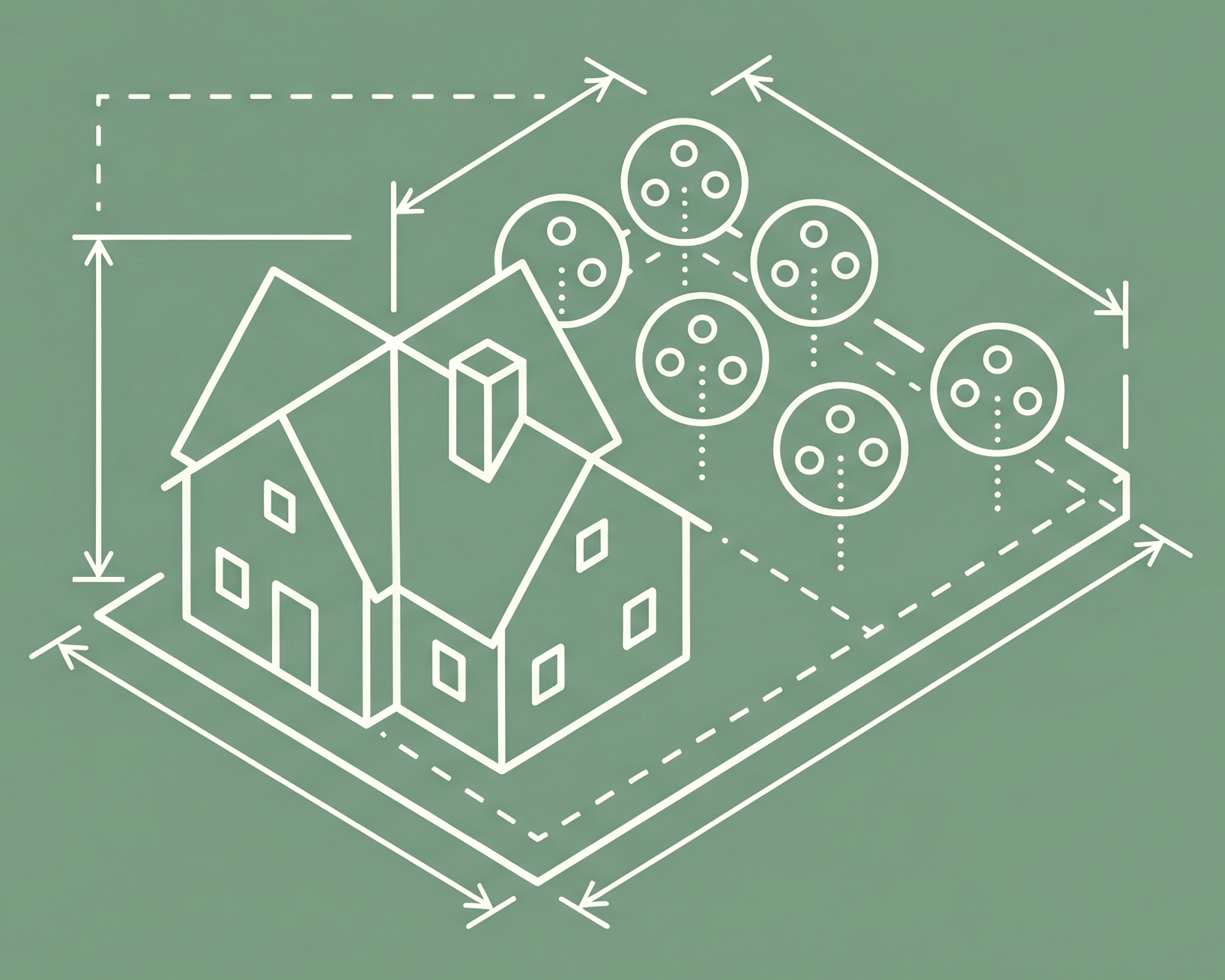
A raised bed changes the way you garden. It gives you control over the soil, the drainage, and the layout of your growing space. It saves your back. It keeps the weeds down. And it looks good doing all of it.
If you have ever tried planting in hard clay, rocky ground, or a lawn that never quite cooperated, a raised bed is the answer you have been looking for. You build a frame, fill it with the best soil you can get your hands on, and plant into something that actually wants to grow food.
This guide will walk you through everything you need to know. We will cover where to put your beds, what materials to use, how to build them, what soil mix to fill them with, what to plant, and how to keep them producing season after season. Whether you are starting your very first garden or expanding one that has outgrown its space, raised beds are one of the smartest investments a homesteader can make.
Let us get building.
Why Raised Beds Work So Well
There is a reason raised beds have become the default recommendation for new gardeners. They solve a handful of real problems all at once.
You control the soil. This is the biggest one. When you garden in the ground, you are working with whatever soil your property came with. That might be heavy clay that holds water like a bathtub. It might be sandy ground that drains too fast to feed a tomato. In a raised bed, you choose the mix. You start with something loose, rich, and ready to grow food on day one.
Drainage is built in. Raised beds sit above the surrounding grade. Water moves through the soil and out the bottom, which means your plant roots never sit in a puddle. This matters more than most beginners realize. Waterlogged roots rot fast, and root rot kills more vegetable gardens than any pest you can name.
The soil warms up faster in spring. Because the bed sits above ground level, the sun heats it from the sides and the top. In cooler climates, this can give you a two to three week head start over an in ground garden. That extra time at the front end of the season means earlier tomatoes, earlier peppers, and a longer harvest window.
Weeds are easier to manage. A raised bed filled with clean soil starts with almost no weed seeds in it. Compare that to a freshly tilled patch of ground, which brings a decade of dormant weed seeds to the surface. You will still get some weeds over time, but the difference in year one is dramatic.
Your back will thank you. Even a bed that is only twelve inches tall puts your plants closer to your hands. If you build your beds eighteen to twenty four inches high, you can garden without bending over at all. For anyone with knee or back issues, this is not a luxury. It is a game changer.
They look great. A well built raised bed brings order to a yard. Clean lines, tidy paths, and a clear sense of purpose. Your neighbors will ask about them. Your partner will stop questioning the project budget. A raised bed garden looks like someone who knows what they are doing lives there.
If you are brand new to growing food, our vegetable gardening for beginners guide pairs perfectly with this one. It covers what to plant and when. This guide focuses on the beds themselves.
Choosing the Right Location
A raised bed does not fix a bad location. You still need the same fundamentals that every garden needs.
Six to eight hours of direct sun. Most vegetables are sun hungry crops. Tomatoes, peppers, squash, beans, and cucumbers all want full sun. If your sunniest spot gets only four or five hours, lean toward leafy greens and herbs, which tolerate partial shade.
Level ground. A raised bed on sloped ground is a headache. Water runs to the low end, soil settles unevenly, and the frame never looks quite right. If your yard slopes, choose the flattest section you can find. If the slope is mild, you can level the spot with a shovel before you set the frame.
Close to water. You will water your beds regularly from late spring through early fall. Every extra step between your hose and your garden makes it a little more likely that watering gets skipped on a busy evening. Keep your beds within easy hose reach.
Close to your kitchen. The gardens that get the most attention are the ones you walk past every day. If you can see your raised beds from a window, you will notice when something needs water. You will spot a pest before it spreads. And you will harvest more often because the walk is short. That handful of cherry tomatoes for tonight's salad is a lot more likely to happen when the garden is twenty steps from your back door.
Away from tree roots. Large trees cast shade, but they also send roots outward looking for water and nutrients. Those roots will find the rich soil in your raised bed and compete with your vegetables. Keep your beds at least ten feet from large trees when possible.
Walk your yard at different times of day before you commit to a spot. Morning sun, midday sun, and late afternoon sun all matter. The spot that looks bright at eight in the morning might be shaded by a fence at two in the afternoon.
Picking a Size That Works
The most common beginner raised bed is four feet wide by eight feet long. There is a good reason for that size, and it is worth understanding before you build something different.
Width matters more than length. Four feet is the magic number because most adults can reach about two feet comfortably from either side. That means you can tend every plant in the bed without stepping on the soil. Stepping on your soil compacts it, which undoes one of the biggest benefits of a raised bed. If you are placing your bed against a wall or fence and can only reach from one side, keep the width to two or three feet.
Length is flexible. Eight feet is a convenient standard because lumber comes in eight foot lengths. But you can make your beds six feet, ten feet, or twelve feet long if your space calls for it. Just keep in mind that longer beds need more soil and more lumber.
Height depends on your goals. Here is a simple guide.
| Bed Height | Best For | Notes |
|---|---|---|
| 6 to 8 inches | Standard gardens on decent ground | Works well when native soil below is workable |
| 10 to 12 inches | Most backyard gardeners | Good depth for root crops. Comfortable to work |
| 18 to 24 inches | Accessibility or poor ground | Ideal for bad backs, wheelchair access, or paved areas |
| 24 to 36 inches | Table height beds | Most comfortable for standing work. Needs the most soil |
Deeper beds give roots more room, but they also cost more to fill. A twelve inch bed on open ground is deep enough for every common vegetable, including carrots and potatoes. The native soil beneath the bed adds additional rooting depth as the plants grow down into it.
If you are building on concrete, a patio, or ground with contaminated soil, go at least eighteen inches deep so the plants have enough clean soil to root into.
For your first garden, one bed at four by eight feet and twelve inches tall is a fantastic starting point. You can always add more beds next season.
Choosing Your Materials
Raised bed frames can be built from a handful of materials. Each has trade offs in cost, durability, and ease of assembly.
Wood
Wood is the most popular choice for good reason. It is affordable, easy to cut, and looks natural in a garden setting.
Cedar is the gold standard. It resists rot naturally without any chemical treatment. A cedar bed will last eight to fifteen years depending on your climate. It weathers to a beautiful silver gray over time. The downside is cost. Cedar boards are roughly two to three times the price of standard lumber.
Douglas fir and pine are budget friendly options. A bed built from untreated fir or pine will last three to five years before the wood starts to soften. For a first garden, this is perfectly fine. You can always rebuild later with better materials once you know you love gardening.
Avoid pressure treated lumber from before 2004. Older treated wood used arsenic based preservatives (CCA) that could leach into soil. Modern pressure treated lumber uses copper based preservatives (ACQ or CA) that are considered safe for garden use by the EPA. Many gardeners still prefer untreated wood for vegetable beds, and that is a reasonable choice.
Metal
Galvanized steel and corrugated metal beds have become popular in the last few years. They last a long time, look clean and modern, and do not rot. Stock tanks from farm supply stores make excellent instant raised beds. The metal heats up faster than wood in full sun, which can dry out soil along the edges in hot climates. A layer of mulch inside the bed handles this easily.
Stone and Block
Concrete blocks, stacked stone, and brick make permanent raised beds that last decades. They are heavier to work with and take longer to set up, but they add real character to a garden. Concrete blocks are surprisingly affordable and can be stacked without mortar for a simple, sturdy bed.
Composite and Recycled Plastic
Several companies sell raised bed kits made from recycled plastic lumber. These are rot proof, splinter free, and last almost indefinitely. They cost more up front, but the lack of maintenance and replacement makes them a solid long term investment.
Tip
Whatever material you choose, avoid railroad ties, old tires, and anything painted with unknown coatings. You are growing food in this soil. Keep the materials clean and simple.
How to Build a Simple Raised Bed
You do not need carpentry skills to build a raised bed. A basic box frame is one of the simplest projects in the garden.
Materials for a 4 by 8 foot bed, 12 inches tall
- Three 8 foot boards (2x12 lumber, cedar or fir)
- One of those boards cut into two 4 foot pieces for the short ends
- 8 to 12 exterior grade screws or structural screws (3 to 3.5 inches long)
- Optional: four corner stakes or metal corner brackets for extra rigidity
- A drill or impact driver
Assembly steps
Cut your lumber to length if needed. You want two boards at eight feet for the long sides and two pieces at four feet for the short ends.
Stand two long boards and two short boards on edge to form a rectangle. The short boards go inside the long boards at each end.
Pre drill holes through the long boards into the end grain of the short boards. Use two or three screws per corner.
Drive the screws in to connect the corners. That is your box.
If you want extra strength, screw a short wooden stake into each inside corner, or use metal corner brackets. This keeps the frame square and prevents the sides from bowing outward when filled with soil.
Set the finished frame in your chosen spot. If the ground is uneven, use a level and adjust by adding or removing a little soil underneath the frame. The bed does not need to be perfectly level, but getting close helps with even watering.
If grass or weeds are growing where you plan to place the bed, lay a single layer of cardboard on the ground before setting the frame. The cardboard will smother the grass and break down over time, adding organic matter to the soil. Do not use plastic sheeting. You want water to drain through the bottom.
That is the whole build. A beginner can finish it in an hour.
Filling Your Beds With the Right Soil
This is where most people go wrong. They buy the cheapest bagged dirt they can find, fill the bed, and wonder why their tomatoes look sad two months later.
The soil in your raised bed is the most important investment you will make. Spend more here than anywhere else. Your plants eat what you put in this box, and the quality of your harvest depends entirely on what you feed them.
The classic raised bed mix
A reliable all purpose mix follows a rough ratio of one third topsoil, one third compost, and one third aeration material.
Topsoil provides the mineral base. Look for screened topsoil from a landscape supplier. Avoid anything labeled "fill dirt," which is often subsoil scraped from a construction site with almost no organic matter.
Compost is the engine of your soil. It feeds the plants, supports the microbes that make nutrients available, and improves the structure of everything it touches. Mushroom compost, aged manure compost, and leaf mold all work well. If you can, source compost from two or three different suppliers and mix them. Diversity in your compost means diversity in your soil biology.
Aeration material keeps the mix from compacting over time. Coarse perlite, pine bark fines, or pumice all work. This ingredient keeps air channels open so roots can breathe and water can flow through evenly.
How much soil do you need?
A 4 by 8 foot bed that is 12 inches deep holds about 32 cubic feet of soil mix. That is roughly one cubic yard. Most landscape suppliers sell soil and compost by the cubic yard, and a single yard delivered to your driveway is the easiest way to fill a bed this size.
For smaller beds or a single build, bagged soil from a garden center works fine. You will need roughly sixteen bags at two cubic feet each. The cost adds up faster than bulk delivery, but for one bed it is convenient.
Avoid these mistakes
Do not fill a raised bed with 100 percent compost. Compost is wonderful, but on its own it holds too much moisture, compacts over time, and shrinks as it decomposes. You will end up with a bed that sinks four inches by midsummer.
Do not use soil from your yard to fill a raised bed. Native soil is often full of weed seeds, clay, and compacted structure. The whole point of a raised bed is to start fresh.
Do not skip the aeration material. A soil mix without perlite or bark fines will compact within a season, and compacted soil produces weak roots and small harvests.
Note
Your soil will settle over the first few weeks after filling. Fill the bed all the way to the top and expect it to drop an inch or two. Top it off with compost in the spring of year two.
What to Plant in Your Raised Beds
Almost anything you can grow in the ground grows better in a raised bed. The warmer soil, better drainage, and controlled mix give plants a head start they would not have otherwise.
Here is a planting plan for a single 4 by 8 foot raised bed that will keep a small household eating fresh vegetables for months.
A beginner layout that works
Divide the bed into sections. Put the tallest plants on the north end so they do not shade the shorter ones.
North end: Two tomato plants staked or caged. Give each one about 18 inches of space. Cherry tomatoes are the easiest for beginners and produce heavily.
Middle section: Two pepper plants and two cucumber plants. Train the cucumbers up a small trellis leaned against the back edge. This saves space and keeps the fruit clean.
South end: A row of bush beans, a row of lettuce, and a short row of radishes along the front edge. These lower growing crops get plenty of sun without being shaded by the tomatoes behind them.
Corners and edges: Tuck in a basil plant near the tomatoes and a few marigolds along the border. Basil pairs well with tomatoes in the kitchen and in the garden. Marigolds attract beneficial insects and add color.
This layout uses companion planting principles to make the most of your space. Our companion planting guide goes deeper on which plants help each other grow.
Square foot gardening in raised beds
Square foot gardening is a popular method that divides your bed into a grid of one foot squares. Each square gets a specific number of plants based on their spacing needs.
- One tomato or pepper per square
- Four lettuce plants per square
- Nine bush beans per square
- Sixteen radishes or carrots per square
- One squash or cucumber per square (with room to trail outward)
This method keeps planting organized and makes it easy to see where you have space for succession planting as crops finish.
Timing your planting
Raised beds warm up faster than in ground gardens, so you can often plant a week or two earlier in spring. But do not get too eager with warm season crops. Tomatoes and peppers still need soil temperatures above 60 degrees to thrive.
Cool season crops like lettuce, spinach, radishes, and peas can go in three to four weeks before your last frost date. Warm season crops like tomatoes, peppers, beans, and squash should wait until after the last frost has passed.
Planting Calendar Tool
Enter your zip code to get a personalized planting schedule based on your USDA zone.
Try it free →Watering Raised Beds
Raised beds drain better than in ground gardens. That is a strength most of the time, but it also means they dry out faster. You need a watering plan.
How much and how often
In spring and fall, watering two to three times a week is usually enough. In the heat of summer, you may need to water every day or every other day, especially in hot climates or with shallower beds.
The key is to water deeply. Soak the bed until water begins to seep from the bottom. Shallow watering encourages roots to stay near the surface, where they dry out fast and stress easily.
Stick your finger two inches into the soil. If it feels dry at that depth, water. If it still feels moist, wait another day.
Best watering methods
Soaker hoses are the easiest and most efficient option for raised beds. Lay a soaker hose in a serpentine pattern across the bed, connect it to a timer, and let it run for 20 to 30 minutes per session. The water goes directly to the soil and none is wasted on leaves or walkways.
Drip irrigation is the next step up. A drip system with emitters placed at each plant delivers water exactly where it is needed. The setup takes a bit more time, but once installed it runs itself.
Hand watering with a wand or watering can works fine for one or two beds. Water at the base of the plants, not over the top. Wet leaves in the evening invite fungal disease.
Mulch is your watering partner
Two to three inches of straw, shredded leaves, or wood chips on top of the soil will cut your watering needs nearly in half. Mulch holds moisture in, keeps soil temperature steady, and suppresses weeds. Apply it after planting and refresh it whenever it thins out.
Tip
A soaker hose on a battery powered timer is the single best upgrade you can make to a raised bed. Set it and forget it. Your plants get consistent water even when life gets busy, and consistent water is the difference between a good harvest and a great one.
Feeding Your Raised Beds
The compost in your initial soil mix will feed your plants through most of the first season. But as crops grow and take nutrients out of the soil, you need to put those nutrients back.
First season
If you built your bed with a good compost blend, most crops will not need additional feeding until midsummer. When heavy feeders like tomatoes and peppers start setting fruit, give them a side dressing of compost or a light application of balanced organic fertilizer.
Leafy greens, beans, and root crops are lighter feeders and usually do fine on the original soil mix alone.
Between seasons
At the end of each growing season, spread two inches of compost across the top of your beds. This replaces what the plants used and keeps the soil biology thriving. You can also plant a cover crop like crimson clover or winter rye in the fall. Cover crops protect bare soil from erosion, add organic matter, and fix nitrogen for next year's plantings.
Year over year
Raised bed soil improves over time if you treat it well. Add compost every spring. Mulch consistently. Avoid walking on the soil. Rotate where you plant your heavy feeders. After three or four seasons, the soil in your raised beds will be richer than almost anything you can buy.
The phrase "feed the soil, not the plant" applies here more than anywhere. If the soil is healthy and alive, your plants will take care of themselves.
Common Raised Bed Mistakes
Every gardener makes a few of these at some point. Knowing them ahead of time saves you a frustrating season.
Building too wide. A bed wider than four feet means you have to step into it to reach the middle. Stepping on the soil compacts it and defeats one of the main reasons for using raised beds. Stick to four feet or less.
Skimping on soil quality. Cheap fill dirt will cost you more in the long run through poor harvests and the need to amend heavily. Invest in good compost and a proper mix from the start.
Forgetting about paths. Leave at least two feet between beds for walking, kneeling, and pushing a wheelbarrow. Three feet is even better. Crowded paths make every garden chore harder than it needs to be.
No mulch. Bare soil in a raised bed dries out fast and grows weeds. Always mulch.
Planting too densely. Raised beds are productive, and it is tempting to cram in as many plants as possible. Give each plant the space it asks for. Air flow between plants prevents disease, and roots need room to spread.
Ignoring crop rotation. Planting tomatoes in the same spot year after year invites soil borne diseases and nutrient depletion. Move your tomatoes and peppers to a different section of the bed each year. If you have multiple beds, rotate your plant families between them.
Not planning for the edges. The soil along the edges of a raised bed dries out faster than the center, especially in wooden beds exposed to wind. Plant slightly inward from the edges, or mulch heavily along the perimeter.
Extending Your Season With Raised Beds
One of the best things about raised beds is how easy they are to modify for season extension. A few simple additions can stretch your growing season by weeks on both ends.
Hoop tunnels. Bend flexible PVC pipe or metal conduit over the bed and drape it with row cover fabric or greenhouse plastic. This creates a mini greenhouse that protects plants from frost in spring and fall. Many gardeners get an extra four to six weeks of growing time this way.
Cold frames. Build a simple hinged lid from an old window or clear polycarbonate panel. Set it on top of the bed in late fall and grow cold hardy greens like spinach, kale, and lettuce well into winter.
Black plastic mulch. In early spring, lay black plastic over the bed for two weeks before planting. The plastic absorbs sunlight and warms the soil faster, giving warm season crops a head start.
These additions turn a single growing season into something closer to three seasons of food production. In mild climates, you can grow something in your raised beds twelve months of the year.
Raised Beds for Small Spaces
You do not need a big yard to benefit from raised beds. Some of the most productive raised bed gardens sit on patios, driveways, and apartment balconies.
A two by four foot bed on a sunny patio can grow lettuce, herbs, peppers, and cherry tomatoes all season long. A pair of these beds is enough to supply a steady stream of fresh salads and cooking ingredients from May through October.
Fabric raised beds and grow bags are lightweight alternatives that work on any surface. They drain well, fold flat for storage, and come in sizes from one gallon up to 100 gallons. A 30 gallon fabric pot is deep enough for tomatoes and takes up about four square feet of space.
If you are gardening in a truly small space, containers and raised beds can work together beautifully. Put your tomatoes and peppers in the raised bed for root depth, and grow herbs and greens in pots around the edges.
Our container gardening guide goes into more detail on growing food in small spaces.
What to Do This Weekend
You have all the information you need. Here is a simple path to get your first raised bed in the ground before the week is over.
Pick your spot. Walk the yard and find a sunny, level area close to your kitchen and a water source.
Choose your size. A single 4 by 8 foot bed at 12 inches deep is the best beginner setup.
Buy or build the frame. Cedar is ideal. Fir or pine is perfectly fine for a first bed. A stock tank from the farm store works too.
Order your soil. Call a local landscape supplier and ask for a yard of raised bed mix, or buy bags from the garden center. One third topsoil, one third compost, one third aeration material.
Fill the bed all the way to the top. It will settle.
Lay cardboard under the bed first if you are building on grass.
Pick five to seven crops that match your frost dates and start planting.
Mulch everything with two to three inches of straw or shredded leaves.
Set up a soaker hose on a timer if you can.
That is it. You now have a garden that will grow food for years. Top it with compost each spring, rotate your crops, keep the mulch layer thick, and the bed will only get better over time.
If you want to see how this fits into a bigger plan, our homesteading for beginners guide connects all the pieces. And when you are ready to figure out exactly what to plant and when, the planting calendar will give you a personalized schedule based on your zip code.
Your raised bed is waiting. Go build it.
Frequently Asked Questions
Twelve inches is deep enough for nearly every common vegetable, including root crops like carrots and potatoes. If you are building on concrete, poor soil, or a surface where roots cannot grow downward, aim for eighteen to twenty four inches. On open ground, even six to eight inches works well because roots will grow into the native soil beneath the bed.
Cedar is the top choice because it resists rot naturally and lasts eight to fifteen years. Douglas fir and untreated pine are budget friendly alternatives that last three to five years. Avoid old pressure treated lumber that may contain arsenic. Modern pressure treated wood is considered safe, but many gardeners prefer untreated wood for growing food.
A basic 4 by 8 foot bed built from pine lumber costs roughly $30 to $60 for materials. Cedar runs $80 to $150 for the same size. The soil to fill a 12 inch deep bed at that size costs roughly $50 to $100 depending on your source. In total, expect $80 to $250 for your first bed, frame and soil included.
Yes. Lay a single layer of cardboard over the grass before setting the frame in place. The cardboard smothers the grass and breaks down over time, adding organic matter to the soil. Do not use plastic sheeting. You want water to drain through the bottom freely.
In most cases, no. You want water to drain out and roots to grow down into the native soil. The exception is if you are building on contaminated ground or over concrete. In those situations, use landscape fabric or hardware cloth on the bottom to separate the bed soil from the surface below.
In spring and fall, two to three times a week is usually enough. In summer heat, you may need to water daily. Stick your finger two inches into the soil. If it feels dry, water deeply until moisture seeps from the bottom of the bed. Mulch heavily to reduce how often you need to water.
A reliable mix is roughly one third screened topsoil, one third quality compost, and one third aeration material like perlite or pine bark fines. Avoid filling with 100 percent compost, which holds too much moisture and shrinks as it decomposes. Avoid cheap fill dirt or native soil, which is often full of weed seeds and compacted structure.
It depends on the material. Cedar beds last eight to fifteen years. Pine and fir last three to five years. Metal and stone beds can last decades with no maintenance. Composite and recycled plastic beds last almost indefinitely. Even a budget wood bed gives you several strong seasons before it needs replacing.

Cole
Founder & Lead Researcher
Cole is the founder of Plan Your Homestead. He works in clinical research and brings a research-first lens to every guide on the site, drawing on a long family line of farmers for grounded, practical perspective.
More in Gardening
More articles coming soon. Check back for new gardening content.